Imagine plugging in a new TV only to have a lightning strike fry its circuits—or noticing the laptop’s battery life dwindling due to frequent, unnoticed power surges in the home. Power surges are sudden spikes in electrical voltage that can damage electronics, shorten appliance lifespans, or even spark fires.
What Is a Power Surge?
A power surge is a brief, unintended increase in electrical voltage above the standard level. These spikes, lasting microseconds to milliseconds, can reach thousands of volts and wreak havoc on sensitive electronics.
According to the Institute of Electrical and Electronics Engineers (IEEE), surges are classified as transient waves of voltage, current, or power, often caused by internal or external factors.
How does a power surge happen? Surges occur when the flow of electricity is disrupted, causing a sudden voltage spike. They’re split into two types:
Internal Surges (60–80% of cases): Originate inside the home from faulty wiring, overloaded circuits, or high-powered appliances like air conditioners cycling on and off.
External Surges: Come from outside, such as lightning strikes, utility grid issues, or power restoration after outages.
For example, a refrigerator turning on might cause a minor internal surge, while a lightning bolt hitting a power line can trigger a massive external surge. Understanding these distinctions is key to protecting one’s home from power surges in home scenarios.
Power Surge Causes: Why Does Power Keep Surging?
Power surge causes are diverse, ranging from everyday household activities to rare natural events. If you’re wondering why does my power keep surging, here’s a breakdown of the most common causes.
Faulty Wiring: Aging, damaged, or improperly installed wiring can create voltage spikes. For instance, frayed wires in a 50-year-old home may cause frequent surges.
Electrical Overload: Plugging too many devices into one circuit, like a power strip overloaded with gaming consoles and chargers, can trigger surges.
Appliance Cycling: High-powered appliances (e.g., refrigerators, HVAC systems) draw significant power when turning on, causing minor surges. This is a common reason for power surges in home complaints.
External Causes
Lightning Strikes: A single bolt can deliver up to 6000 volts, overwhelming electrical systems. Florida, with 1.4 million lightning strikes annually (NOAA), faces higher risks.
Utility Issues: Grid switching, transformer failures, or power restoration after outages can send surges through power lines.
Environmental Factors: Animals (e.g., squirrels chewing wires) or trees falling on lines can disrupt power flow, causing surges.
Why does my power keep surging? Frequent surges often point to internal issues like faulty wiring or overloaded circuits. Regional factors also matter—homes in lightning-prone areas face higher external surge risks.
Effects of Power Surges: Can They Cause Electrical Shorts?
Power surges can cause significant damage, from frying electronics to posing safety hazards. Here’s how they impact your home and whether can power surges cause shorts in electrical systems.
Immediate Damage
A high-voltage surge, like one from lightning, can instantly destroy electronics. TVs, computers, and smart home devices with sensitive circuits are especially vulnerable.
Gradual Degradation
Repeated minor surges—common with internal causes—shorten device lifespans. The laptop’s battery or the microwave’s circuit board may fail prematurely after months of small surges. The NFPA estimates that surges cause billions in electronics damage annually.
Safety Risks
Can power surges cause shorts in electrical systems? Yes. A surge can overwhelm wiring insulation, causing electrical shorts, where current flows improperly, creating sparks or heat. In rare cases, surges ignite fires by overheating devices or wiring.
How to Avoid Power Surges: Protection Strategies
Protecting your home from power surges in home scenarios requires a mix of devices, habits, and professional solutions. Here’s how to avoid power surges, with insights from UL standards and electrician recommendations.
Surge Protectors
Surge protectors absorb or redirect excess voltage, safeguarding plugged-in devices. Key specs to look for:
Joule Rating: Measures energy absorption (1000+ joules for robust protection).
Clamping Voltage: Voltage at which protection kicks in (often <400V is ideal).
Certification: Look for certifications like TUV, UKCA, ROSH.
Point-of-use protectors are ideal for TVs, computers, or gaming consoles, but they don’t cover whole-house risks. Choose models with high joule ratings and low clamping voltages for optimal protection. Read more on how does surge protection work.
Whole-House Surge Protection
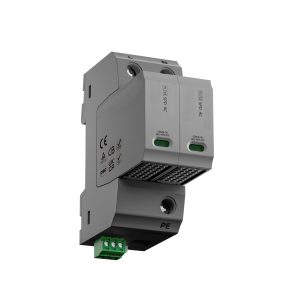
Installed at your electrical panel by a licensed electrician, whole-house surge protective devices (SPDs) shield all circuits.
They’re especially valuable in lightning-prone areas, offering comprehensive protection for appliances and electronics. Consult an electrician to assess your home’s needs.
Preventive Actions
Unplug During Storms: Disconnect sensitive devices during thunderstorms or outages to avoid lightning surges.
Inspect Wiring: Have an electrician check for faulty wiring every 5–10 years, especially in older homes.
Avoid Overloading Circuits: Use fewer devices per outlet and consider upgrading to higher-capacity circuits if needed.
Advanced Solutions
Uninterruptible Power Supplies (UPS): Provide surge protection and backup power for computers or medical equipment.
Lightning Rods: Divert lightning away from your home in high-risk areas.
Grounding Systems: Ensure proper grounding to dissipate surge energy.
For residents in lightning-heavy states, combine point-of-use protectors with whole-house SPDs and high capacity surge protectors for maximum safety.
Insurance and Liability for Power Surge Damage
When surges damage your devices, understanding insurance and liability can save you headaches. Here’s what to know.
Homeowners’ Insurance
Most policies cover lightning-induced surge damage under “perils” like fire or storms. However, internal surges (e.g., from faulty wiring) may require proof of an external cause. Tips for claims:
Document damage with photos and receipts.
File promptly and specify the surge cause (e.g., lightning).
Check for “electronics coverage” endorsements for high-value devices.
Utility Liability
Utilities may be liable for surges from grid malfunctions, like transformer failures. Proving fault is challenging, requiring an electrician’s report or utility admission. Contact your provider if you suspect a grid issue caused power surging in home.
Preventive Documentation
Keep receipts for surge protectors and electronics to streamline claims. Schedule regular electrical inspections to identify wiring issues before they cause surges.
OOHMAGE Surge Protectors: Protect Home and Electronics
Power surges—sudden voltage spikes from power surge causes like lightning, faulty wiring, or appliance cycling—threaten your electronics, appliances, and home safety.
Whether you’re dealing with why does my power keep surging or wondering can power surges can cause shorts in electrical systems, the risks are real. Protect your home with surge protectors (1000+ joules, <400V clamping), consider whole-house SPDs, and inspect wiring regularly.
OOHMAGE provides clients with high quality surge protectors, ensuring electrical safety at major applications in real life. With our reliable electrical equipment, your projects and electrical systems will be a continuous success.
FAQs
What is a power surge, and how does it happen?
A power surge is a sudden voltage spike above 120V, lasting microseconds. It happens due to lightning, faulty wiring, appliance cycling, or utility issues, disrupting normal electrical flow.
Why does my power keep surging?
Frequent surges often stem from internal issues like faulty wiring, overloaded circuits, or high-powered appliances. External causes include utility problems or lightning in high-risk areas.
Can power surges cause shorts in electrical systems?
Yes, surges can overwhelm wiring insulation, causing shorts—improper current flows that spark or overheat, potentially leading to fires.
How to avoid power surges in my home?
Use surge protectors (1000+ joules), unplug devices during storms, inspect wiring, and consider whole-house SPDs for comprehensive protection.
What’s the difference between a power surge and a power outage?
A surge is a brief voltage spike, damaging devices; an outage is a complete loss of power, stopping device function.
Are whole-house surge protectors worth it?
Yes, especially in lightning-prone areas. They protect all circuits, reducing the risk of costly damage.
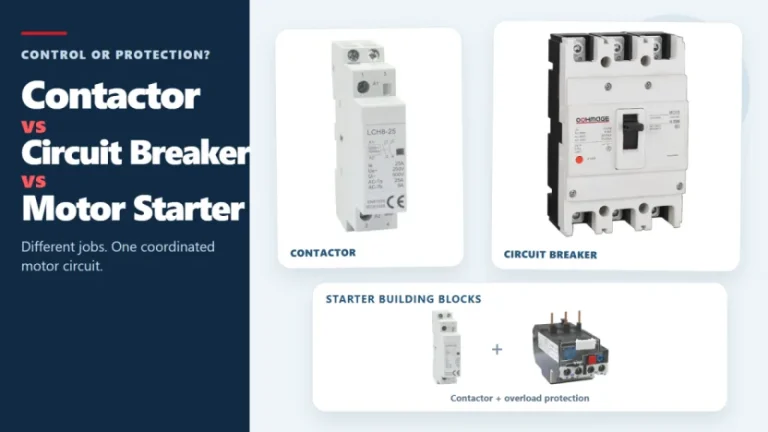
Figure 1. Contactors, circuit breakers, and motor starters solve different control and protection tasks. These three devices often appear in the same motor-control panel, but they solve different problems. A contactor handles frequent, remote, or automatic switching during normal operation. A circuit breaker interrupts abnormal current within its rated capability. A motor starter normally combines […]
The main types of circuit breakers used in low-voltage distribution include miniature circuit breakers (MCBs), molded case circuit breakers (MCCBs) and residual-current devices such as RCCBs and RCBOs. They are not interchangeable. MCBs and MCCBs are selected for overcurrent protection in different circuit roles, an RCCB provides residual-current protection without integral overcurrent protection, and an […]
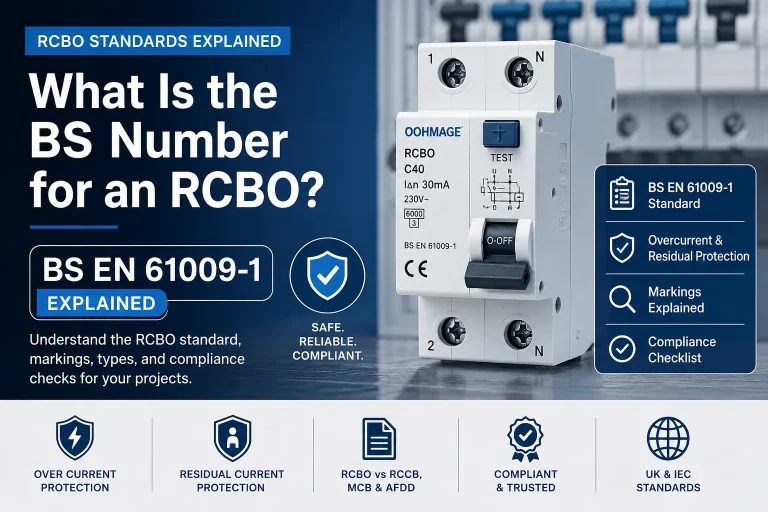
Introduction If you are searching for the RCBO BS number, the answer most commonly required in UK and IEC-based electrical procurement is BS EN 61009-1. This is the principal product standard associated with residual current circuit breakers with overcurrent protection used in residential, commercial, and similar installations. However, merely the BS number is not sufficient […]