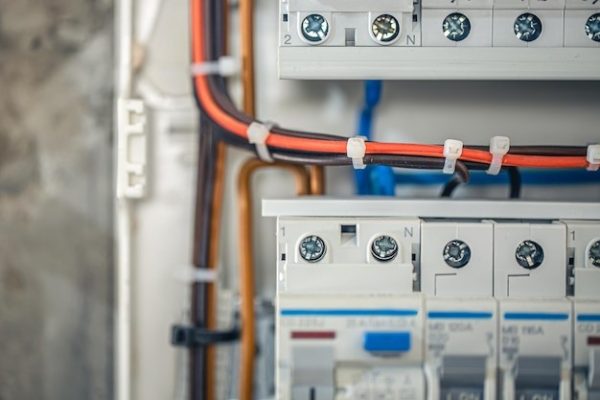
Moulded Case Circuit Breakers (MCCBs) form one of the most vital parts of any electrical installation, especially for industrial and commercial needs. Basically, these breakers protect the electrical circuits from potential damage due to overloads, short circuits, and other electrical failures. The MCCB is a rather versatile and reliable device that can handle higher current ratings, thus suitable for protection against critical electrical infrastructures.
The following article describes frequently asked questions related to MCCBs. Understanding an MCCB helps you ensure electrical safety, reduces system downtime, and increases the possibility of enhanced operational efficiency.
What Is a Moulded Case Circuit Breaker (MCCB)?
An MCCB (Molded Case Circuit Breaker) is a kind of circuit breaker designed to protect circuits that carry higher current loads. It finds extensive application in industry and commerce and some residential systems.
MCCBs can be tailored for various operating conditions by the adjustment of their trip settings and offer protection against the following:
Overload Currents: Prevents overheating of equipment resulting from excessive flow of current.
Short Circuits: Operates to cut the circuit in cases of high fault currents to avoid catastrophic failure.
Electrical Disconnection: Allows manual disconnecting for maintenance or emergency purposes.
Compared to other breaker types, MCCBs are constructed to be more robust and flexible to ensure safety under harsh operating conditions.
What Is the Difference Between MCB and MCCB?
MCBs (Miniature Circuit Breakers) and MCCBs are both to protect electrical systems but there is a huge difference in their design, capacity, and application.
Feature
MCB
MCCB
Current Rating
Up to 125A
Up to 2,500A
Adjustable Settings
Not available
Adjustable trip settings
Applications
Residential and light commercial
Industrial and heavy commercial
Size
Smaller
Larger
MCB finds its applications in residential and small commercial establishments.
MCCBs are used where the electrical system has more significant demands for current.
MCCBs provide additional protection capabilities, such as thermal magnetic operation and voltage protection.
MCCBs are engineered with advanced features that meet stringent demands in the industrial environment.
High Current Ratings: MCCBs are available to handle currents as high as 2,500 A, making them able to suit large industrial equipment.
Adjustable Trip Settings: Users can adjust overload and short-circuit trip settings by turning the rotary dial on the front of the breaker to match system-specific needs.
Thermal-Magnetic Protection: Combining thermal elements for long-duration overloads and magnetic elements for instantaneous faults.
Remote Control: Many MCCBs are compatible with remote monitoring and operation systems, enhancing safety and convenience.
Durability: Designed to operate reliably in harsh conditions, including high temperatures and dusty environments.
Benefits of MCCBs for Industrial Applications
Enhanced Safety: Prevents potential fire hazards and equipment damage caused by electrical faults.
Reduced Downtime: Reliable fault detection minimizes system interruptions.
Cost Efficiency: Long lifespan and low maintenance requirements reduce long-term costs.
What Is the Difference Between MCCB and RCCB?
MCCBs and RCCBs (Residual Current Circuit Breakers) have different functionalities and are used for distinct purposes. Read more about MCCB vs RCCB in our blog.
Comparison Between MCCB and RCCB
Feature
MCCB
RCCB
Primary Function
Overload and short-circuit protection
Earth leakage protection
Current Ratings
Up to 2,500A
Lower current ratings (typically up to 100A)
Adjustable Settings
Available
Not available
Application Areas
Industrial and commercial
Residential and sensitive circuits
MCCBs are ideal for protecting electrical circuits in industrial and commercial environments.
RCCBs protect against ground faults and are essential for ensuring user safety in residential systems and areas with water exposure.
What Is the Difference Between MCCB and MPCB?
MPCB vs MCCB is also a hot topic among types of electrical equipment. MPCB (Motor Protection Circuit Breaker) is another specialized circuit breaker designed specifically for motor protection. MCCBs are versatile and used across various circuits.
MPCBs are specialized for protecting motors from phase failure, overload, and overcurrent.
Comparison Between MCCB and MPCB
Feature
MCCB
MPCB
Primary Function
General circuit protection
Motor-specific protection
Thermal Protection
Available
Calibrated for motor overheating
Overload Protection
Adjustable trip settings
Designed for motor loads
Application Areas
General electrical circuits
Motor-driven applications
What Does MCCB Protect Against?
MCCBs offer robust protection against multiple electrical issues.
Overloads: Protect circuits from overheating caused by excessive current flow.
Short Circuits: Interrupt the circuit when a fault occurs, preventing damage to connected equipment.
Under-voltage: An under-voltage trip mechanism prevents some MCCBs from further damage in case of a supply voltage fall.
Fault Currents: Support high fault currents without damage to other system parts.
What Is the Lifespan of an MCCB?
The average lifespan of an MCCB ranges from 15 to 20 years based on several factors.
For example, the following factors should be paid attention:
1. Load Conditions: Constant operation at or near rated current will shorten its life.
2. Environmental Factors: Exposure to moisture, dust, or corrosive elements can accelerate wear.
3. Maintenance: Regular inspections and timely servicing can prolong its functionality.
What Are Common Causes of MCCB Failure?
MCCBs, though reliable, can fail under certain conditions. Common causes include:
Overloading: Continuing excessive current stresses the internal components.
Environmental Factors: Corrosion, moisture, and dirt degrade the breaker over time.
Improper Installation: Loose connections or incorrect wiring can lead to poor performance.
Mechanical Wear: Frequent manual operation can cause wear and tear on moving parts.
Aging: Even well-maintained MCCBs eventually fail due to material fatigue.
Regular testing and maintenance help identify potential issues before they cause system failure.
Why Partner with a Reliable MCCB Supplier?
The quality and reliability of the electrical systems are highly dependent on the chosen MCCB supplier. Reliable suppliers like OOHMAGE ensure the following services:
Wide Range: A variety of MCCBs tailored to different industrial and commercial applications.
Technical Support: Expert advice on the proper selection and installation.
Warranty Services: Comprehensive warranty options to give customers peace of mind.
Final Thoughts
MCCBs are vital in the protection of electrical installations in industrial and commercial settings and even in big residence facilities. Knowing the features, applications, and differences of MCCBs from other circuit breakers will provide you the basis for decisions on electrical safety concerns.
Regular maintenance and selection of reliable electric equipment suppliers, such as OOHMAGE Electrical Equipment, will grant the best performance and longest life to your MCCBs. The right solution now will protect your systems for years to come.
OOHMAGE: Your Trusted Partner in Electrical Safety Equipment
Consulting qualified professionals when planning an electrical installation can help determine the best devices. Partnering with a reliable supplier can make all the difference.
OOHMAGE stands out as a trusted name in electrical safety equipment, offering a comprehensive range of high-quality MCCBs, MCBs, MPCBs, and RCCBs.
From each type of MCCBs to combiner boxes, OOHMAGE provides various types of products to meet the requirements of different projects.
FAQ
What does MCCB stand for?
MCCB stands for Moulded Case Circuit Breaker. It is an electrical device used for overload and short-circuit protection.
Can MCCBs be used in residential systems?
Yes, MCCBs can be installed in residential applications whenever the load is going to be on the higher side, such as multi-family dwellings or homes with heavy appliances.
How often should MCCBs be maintained?
Annual inspections are recommended to ensure optimal performance. In harsh environments, more frequent checks may be required.
What factors should I consider when choosing an MCCB?
Factors such as current rating, trip settings, application type, and compliance with standards for safety.
Why are adjustable trip settings important?
Adjustable trip settings provide flexibility, thereby allowing users to protect circuits of differing current requirements.
Figure 1. Contactors, circuit breakers, and motor starters solve different control and protection tasks. These three devices often appear in the same motor-control panel, but they solve different problems. A contactor handles frequent, remote, or automatic switching during normal operation. A circuit breaker interrupts abnormal current within its rated capability. A motor starter normally combines […]
Introduction The concept of remote tripping is simple, but in actual operation, project teams often encounter difficulties in specifying the components. The panel factory may require circuit breakers triggered by fire alarm relays, PLC outputs, building management system instructions, or other coordinated control. At this point, “diversion tripping” is only the first step in the […]
The main types of circuit breakers used in low-voltage distribution include miniature circuit breakers (MCBs), molded case circuit breakers (MCCBs) and residual-current devices such as RCCBs and RCBOs. They are not interchangeable. MCBs and MCCBs are selected for overcurrent protection in different circuit roles, an RCCB provides residual-current protection without integral overcurrent protection, and an […]