Types of Weatherproof Junction Boxes: Which One Do You Need?
Published: Author: Conor
Electrical safety is never something to cut corners on—especially when circuits are exposed to rain, dust, or harsh outdoor conditions. That’s why weatherproof junction boxes are essential. Whether you’re wiring patio lights, powering irrigation systems, or managing circuits in a factory, the right enclosure ensures connections remain both safe and compliant with industry standards.
In this guide, we’ll break down what junction boxes are, what makes them weatherproof, the different types available, and how to choose the right one for your project. By the end, you’ll know how to avoid the most common mistakes and make confident, cost-effective decisions.
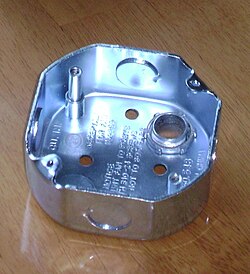
A junction box is a shielded enclosure that protects electrical connections from harm, keeps them tidy, and shelters them from external threats. Without junction boxes, live wires would be exposed—creating grave risks of shock, fire, and inadvertent damage.
You’ll find junction boxes in just about every setting where electrical systems are installed:
Domestic residences – to keep outlets,switchgear, and lighting circuits in order.
Commercial buildings – for distributing power across multiple systems.
Factory buildings – protecting high-demand or high-voltage connections.
Outdoor equipment – from security cameras to garden lighting.
In a word, wherever multiple electrical cables need to converge safely, a junction box is part of the package.
What Makes a Junction Box Weatherproof?
Not all enclosures are created equal. A weatherproof junction box is engineered specifically to withstand the elements—blocking out water, dust, and even temperature extremes. Three elements of design separate them:
Seals and Gaskets
High-quality models include silicone or rubber gaskets around lids and cable entry points. These seals act as a barrier to water, excluding water and preserving internal connections from moisture.
IP65 – Dust-tight and resistant to low-pressure water jets.
IP66 – Dust-tight and withstands stronger water sprays.
IP67 – Dust-tight and resistant to brief immersion (up to 1 meter).
IP68 – Dust-tight and suitable for continuous underwater use.
The greater the second digit, the greater water resistance. Choosing the right rating depends on the environment—light rain is one thing, constant submersion another.
Durable Materials
Weatherproof boxes are typically built from either plastic (polycarbonate, ABS) or metal (steel, aluminum, stainless steel):
Plastic – Lightweight, non-conductive, and corrosion-resistant.
Metal – More impact-resistant, ideal for heavy-duty or industrial settings, and offers natural shielding against electromagnetic interference (EMI).
Cumulatively, these considerations make weatherproof junction boxes an absolute requirement for outdoor usage and harsh indoor conditions like workshops or warehouses.
Main Types of Weatherproof Junction Boxes
Different applications require different levels of protection. Below are the most common types of weatherproof junction boxes:
Plastic Junction Boxes
Affordable, lightweight, and easy to install, plastic junction boxes are a go-to choice for many residential and light commercial projects. They do not corrode and are excellent for outdoor garden lighting or patio circuits. However, they may not withstand high-impact environments like metals.
Best for: Homeowners, DIY projects, and light-duty outdoor applications.
Constructed of steel, aluminum, or stainless steel, metal junction boxes are rugged and built to last. They are often used in industrial environments where high temperatures, mechanical stress, or heavy use is expected. Metal also provides natural shielding against electromagnetic interference (EMI).
Best for: Factories, workshops, and commercial buildings.
Surface-Mounted Weatherproof Boxes
Mounted directly on walls or other surfaces, these boxes are highly visible but also very accessible. They are common in applications where ease of maintenance outweighs aesthetics, such as external lighting or HVAC systems.
Best for: Outdoor lighting systems and quick-access installations.
Flush-Mounted or Recessed Boxes
Installed within the walls, flush-mounted boxes exhibit a neater, more hidden appearance. Their recessed design also offers additional protection from accidental impact.
Best for: Building interiors, transition areas, and permanent installations.
Underground or Direct Burial Junction Boxes
Sealed on all sides to protect from both water and soil, these boxes are designed for underground applications. They are widely utilized in irrigation systems, landscaping, and underground power supply.
Best for: Underground electrical wiring and irrigation systems.
Comparison Table: Types of Weatherproof Junction Boxes
Moving up from a basic box is not just protection—it’s an investment in safety and reliability. Weatherproof junction boxes offer:
Enhanced Safety: Prevents water contact with live connections, reducing risks of shock and fire.
Durability: Withstands harsh environments, extending system lifespan.
Versatility: Available in various types, suitable for homes, businesses, and industry.
Compliance: Meets safety codes and standards for high-moisture or outdoor use.
Improved Aesthetics and Organization: Conceals wires, reduces clutter, and delivers a clean, professional finish.
In conclusion, weatherproof junction boxes keep electrical systems safe, reliable, and clean-looking.
How to Choose the Right Weatherproof Junction Box
When selecting a weatherproof junction box, consider the following:
Location & Environment
For garden outdoor lighting, a plastic IP65-rated box may be sufficient.
For heavy-duty or industrial environments, an IP67-rated metal box is preferable.
IP Rating
Choose based on exposure: light rain, heavy spray, or full submersion.
Material
Plastic is cost-effective and offers corrosion resistance.
Metal delivers superior strength and durability.
Size & Cable Capacity
Always allow extra room for wires and connectors to prevent overcrowding.
Compliance with Standards
Look for certifications such as IEC or CE to ensure quality and safety compliance.
Future-Proofing Your Installation
Select a slightly larger box or one with modular entry points.
Allows easy expansion for additional circuits, lighting, or irrigation.
Saves time and cost by avoiding premature replacement.
By weighing these considerations, you can avoid costly errors and ensure a safe, efficient installation.
Common Mistakes to Avoid
Even the best junction box won’t perform if it’s used incorrectly. Watch out for these pitfalls:
Using indoor-rated boxes outdoors, leading to moisture damage.
Ignoring IP ratings and assuming all weatherproof boxes are the same.
Overstuffing boxes, which reduces cooling space and raises fire risk.
Choosing the wrong material, such as plastic in high-heat areas or untreated metal in corrosive environments.
Poor sealing during installation, such as leaving cable entries unsealed.
Conclusion
Weatherproof junction boxes are more than just accessories. They are fundamental to safe, reliable electrical installations. From simple garden lighting to industrial power systems, the right box keeps connections dry, secure, and compliant with standards.
It really boils down to your environment, IP rating, material, and planning for the future. Remember, junction boxes are only one part of a larger system. Ensuring all yourelectrical equipment,from cables to enclosures, adheres to the same weatherproof and safety standards will create a durable, future-proof setup.
By understanding the types of weatherproof junction boxes and how they integrate into your broader electrical system, you can make smarter, safer, and more sustainable choices.
Only “solarcombiner box” in your quotation is far from sufficient. What should be connected to the box? A PV string or an inverter output? They match different jobs. The price and enclosure size can be considered at a later stage. What connects to the input is the top priority. To be more specific, a DC combiner […]
Learn how to choose the right distribution box for your home or workshop. Discover sizing rules, component selection, and strict electrical safety standards.
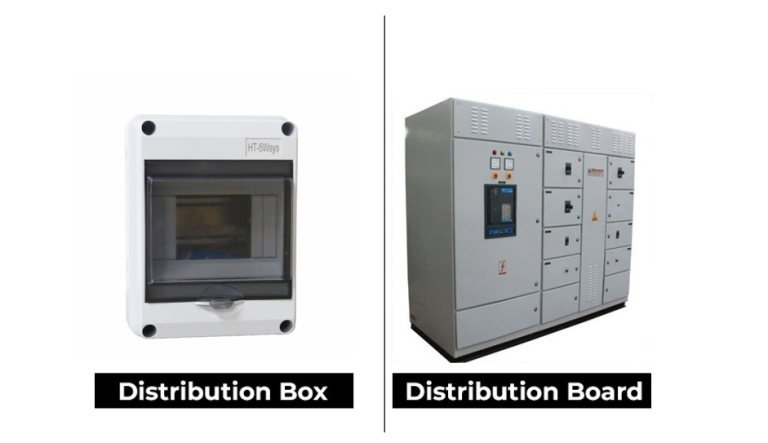
The terms distribution box and distribution board often overlap. Both can describe equipment that receives an incoming electrical supply and organizes outgoing circuits, usually with switching and protective devices. The preferred term depends on the country, applicable standard, project specification and whether the buyer needs an empty enclosure or a complete assembly. This means there […]