Enclosures in electrical systems serve to protect connections for safety and efficiency in operation. Of the many types used for specific functions and applications, two of the most important are the combiner boxes and the junction boxes. A PV combiner box is crucial in renewable projects, while a junction box remains indispensable in residential and commercial wiring.
Knowing their respective specific roles, components, and benefits can enable you to select the correct one that would fit your requirements. In this regard, this guide can help you get into a detailed comparison with an eye on how and when each is to be applied.
What is a Combiner Box?
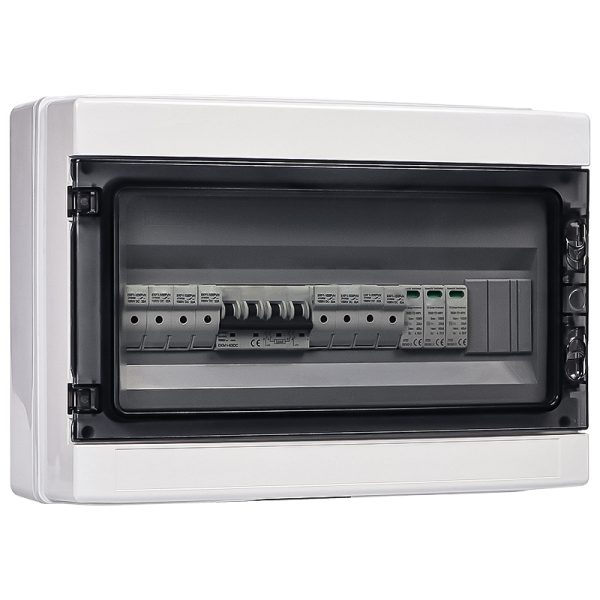
A combiner box is a particular type of enclosure created for renewable systems. It combines several electrical inputs into one output and contains protection devices that add to safety and dependability.
Components:
1. Fuses: Protect circuits from damage by overcurrent.
2. Circuit Breakers: Allow for safe disconnection during maintenance.
2. Simplified Maintenance: Centralized connections make troubleshooting easier.
3. Scalability: Supports system expansion by accommodating additional inputs.
4. Durability: Designed to withstand outdoor conditions, including extreme weather and UV exposure.
What is a Junction Box?
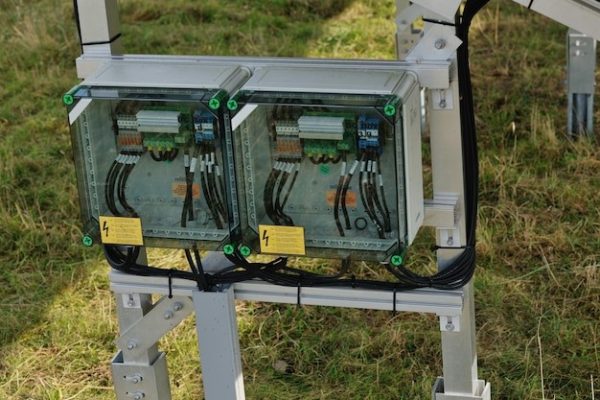
A junction box is a more versatile enclosure employed in housing wire connections. It has been designed to offer protection to the electrical connections while offering a neat and secure environment for wiring.
Components:
1. Wire connectors or terminals.
2. Gaskets and seals (for weatherproof models).
3. Mounting brackets for secure installation.
Applications of a Junction Box
Junction boxes find their usage in at least the following situations.
Residential Wiring: For lighting fixtures, switches, and power outlets.
Commercial Buildings: Take care of the electrical systems in offices, retail shops, and warehouses.
Outdoor Installations: Weatherproof models are used for garden lighting or external power connections.
Industrial Settings: Protect wiring against machinery and equipment.
Advantages of a Junction Box
1. Budget-Friendly: Economically viable across a range of applications.
2. Versatile: Applicable in both indoor and outdoor settings.
3. Ease to Install: Compact size ensures quick installation.
4. Customizable: Available in different materials, sizes, and levels of protection.
Combiner Box vs. Junction Box: Key Differences
Functions
Combiner Box: Combines power from various sources and incorporates safety features.
Junction Box: Protects wiring connections, not combining the power inputs.
Applications
Combiner Box: Suitable for solar PV systems, wind energy installations, and other renewable energy systems.
Junction Box: Can be used in residential, commercial, and industrial electrical systems.
Components
Combiner Box: Comprises high-level components such as fuses, circuit breakers, surge protectors, and busbars.
Junction Box: Normally would include wire connectors and fundamental mounting hardware.
Size and Complexity
Combiner Box: Larger in size and more complex for large power applications.
Junction Box: Smaller in size and simpler for applications requiring low or medium power.
Cost Consideration
Combiner Box: Higher cost, owing to higher specialization in the components.
Junction Box: Low cost and easily available for general applications involving electricity.
Environmental Suitability
Combiner Box: Constructed for use in harsh outdoor conditions; many are designed to be weatherproof and UV-resistant.
Junction Box: Both indoor and outdoor, with different ratings regarding resistance against weather conditions.
When to Use a Combiner Box
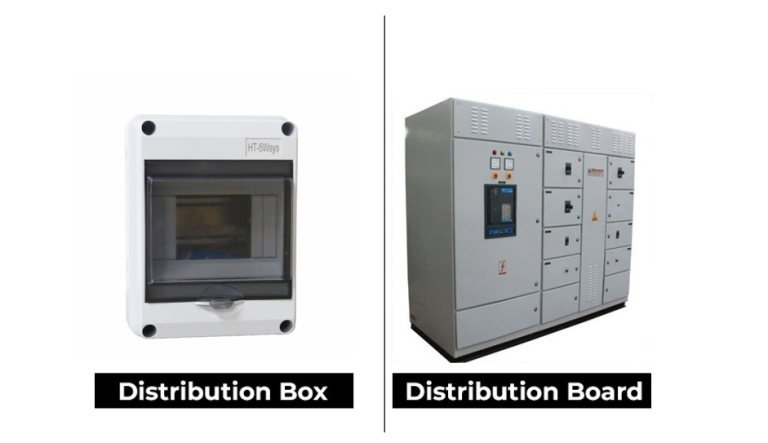
For low-voltage projects that need protective-device mounting rather than PV string combining, compare OOHMAGE distribution box options by number of ways, IP protection and cable-entry requirements.
According to solar combiner box manufacturers, the most suitable applications for using a combiner box are renewable energy projects, complex systems, safety-critical applications, and outdoor environments.
1. Renewable Energy Projects: A combiner box brings together inputs either from solar panels or turbines.
2. Complex Systems: Simplifies wiring when the system has multiple sources.
3. Safety-Critical Applications: Against overcurrent and surge protection
4. Outdoor Environments: Durable and weatherproof for harsh weather conditions.
When to Use a Junction Box
Choose a junction box when:
Connecting Wires in a Residential System: Ideal for organizing home electrical wiring.
Installing Outdoor Lights: Weatherproof models protect connections from moisture and dust.
Simplifying Wiring for Industrial Equipment: Maintains safe connections by keeping them neat and tidy.
Working with a Tight Budget: Economical solution for most electrical jobs.
Are Combiner Boxes and Junction Boxes Interchangeable in Solar Systems
Although they both house electrical components, the two boxes have different functions in a solar system.
On the other hand, a junction box does not have these features and is not able to combine power sources effectively. Safety and system efficiency are compromised when improper boxes are used.
Choosing Between Combiner Boxes and Junction Boxes
When you have no idea choosing which one, consider the following aspects.
Application Type: Combiner box for renewable projects; junction box for general wiring purposes.
System Requirements: High power in combiner boxes, whereas in junction boxes, it’s low to medium.
Budget: Combiner boxes demand a higher investment, while junction boxes are reasonable.
Environmental Conditions: The package should also be according to the environment, such as weatherproof packages for outdoor applications.
Final Thoughts
Both combiner boxes and junction boxes are indispensable in various applications, each offering special characteristics to fulfill a particular purpose. Understanding the differences between them allows for safe and efficient electrical systems.
Reliability is key when choosing a combiner box. OOHMAGE is a trusted supplier of high-quality combiner boxes, with a design aimed at improving safety and durability, ensuring better performance of the system.
Whether it is the construction of a solar PV system or a hybrid energy project, depend on OOHMAGE for reliable solutions as the need arises.
FAQ
What is the primary function of a combiner box?
A combiner box combines power from various sources and has built-in safety features such as fuses and surge protectors.
What is the primary use of a junction box?
A junction box encases and keeps organized electrical wiring connections.
Can a junction box replace a combiner box in a solar system?
No, junction boxes do not have the specific components necessary to combine power inputs.
Are combiner boxes weatherproof?
Most of the combiner boxes are designed for outdoor usage and can withstand extreme weather conditions.
What should I consider when choosing between the two?
You should consider at least several factors, such as your application, environmental conditions, budget, and systems complexity.
Only “solarcombiner box” in your quotation is far from sufficient. What should be connected to the box? A PV string or an inverter output? They match different jobs. The price and enclosure size can be considered at a later stage. What connects to the input is the top priority. To be more specific, a DC combiner […]
Learn how to choose the right distribution box for your home or workshop. Discover sizing rules, component selection, and strict electrical safety standards.
The terms distribution box and distribution board often overlap. Both can describe equipment that receives an incoming electrical supply and organizes outgoing circuits, usually with switching and protective devices. The preferred term depends on the country, applicable standard, project specification and whether the buyer needs an empty enclosure or a complete assembly. This means there […]