IP Ratings Explained: How to Choose the Right Weatherproof Junction Box
Published: Author: Conor
Electrical safety and reliability are essential to every project — whether it’s connecting a small garden light, powering outdoor signage, or installing heavy industrial machinery. Yet one factor often overlooked is how well electrical components are protected from dust and moisture. That’s where Ingress Protection (IP) ratings come in.
If you’ve ever bought a weatherproof junction box or a distribution enclosure, you’ve probably noticed codes like IP65, IP67, or IP68 printed on the label. But what do those numbers actually mean? And more importantly, how do you know which one suits your application?
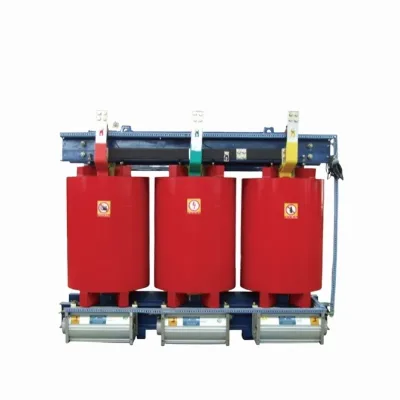
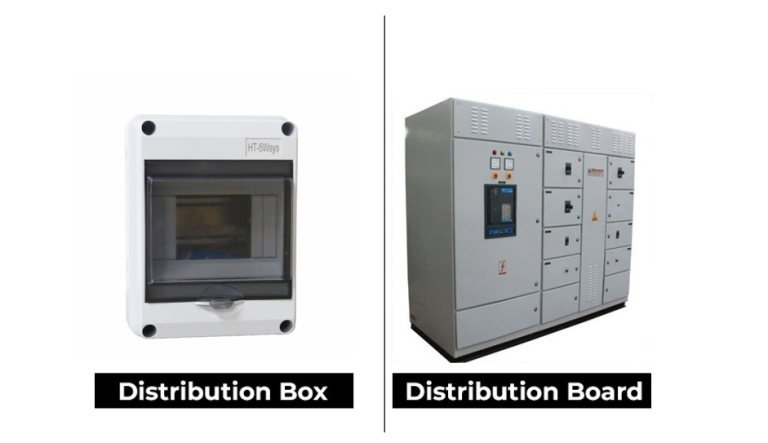
This guide breaks down IP ratings in plain language and explains how to pick the right weatherproof junction box. We’ll also look at related products — such as distribution boxes, switchgear, and dry-type transformers — that often require the same protection standards.
What Are IP Ratings?
An IP rating (Ingress Protection rating) is a globally recognized system defined under the IEC 60529 standard. It specifies how well an enclosure can block out solid particles (like dust) and liquids (like water).
The format is simple: the letters “IP” followed by two digits.
First digit (0–6): Protection against solids (dust, sand, accidental contact).
Second digit (0–9): Protection against liquids (from dripping water to full immersion).
Examples:
IP65→ Completely dust-tight (6) and resistant to water jets (5).
IP67→ Completely dust-tight (6) and protected against temporary immersion (7).
IP68→ Completely dust-tight (6) and designed for continuous immersion (8).
Quick Reference Table
Rating
Solids Protection
Liquids Protection
Typical Use
IP44
Limited dust ingress
Splash-resistant from any direction
Bathrooms, sheltered outdoor lights
IP55
Dust-protected
Resistant to water jets
Outdoor sockets, light fixtures
IP65
Completely dust-tight
Water jets, low pressure
Garden lighting, CCTV, outdoor enclosures
IP67
Completely dust-tight
Temporary immersion (up to 1m)
Underground cabling, outdoor wiring
IP68
Completely dust-tight
Continuous immersion (beyond 1m)
Marine environments, heavy-duty installations
Understanding this code is the first step to choosing the right junction box or enclosure.
What Is an Electrical Junction Box?
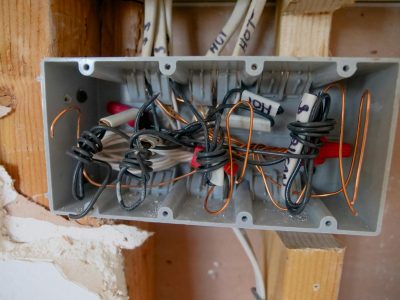
A junction box is a protective enclosure used for house wiring connections. Its main purposes are to:
Keep wires organized and shielded.
Prevent accidental contact with live circuits.
Provide a secure space for splicing or branching circuits.
Meet safety and code requirements.
Junction boxes come in different types:
Material: Metal or plastic.
Design: Indoor (standard) or outdoor (weatherproof).
Mounting: Surface-mounted or flush-mounted.
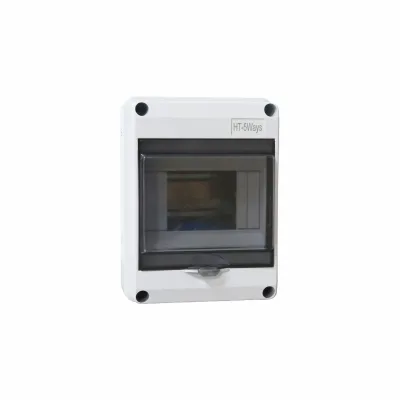
Weatherproof models are built with seals, gaskets, and durable materials to withstand rain, dust, UV rays, and sometimes even chemical exposure. Without the proper IP rating, connections can corrode, short out, or even spark fires.
Why IP Ratings Matter in Weatherproof Junction Boxes
Because weatherproof junction boxes are often exposed to the elements, IP ratings are critical for both safety and longevity. Here’s why:
Safety: Higher IP ratings prevent dust and water from reaching live wires, reducing the risk of shocks or fires.
Durability: A sealed enclosure slows corrosion and extends equipment life.
Cost savings: Better protection means fewer failures, less downtime, and lower repair costs.
Compliance: Many industries mandate minimum IP ratings to pass inspections.
In short, the right IP rating isn’t just about performance — it protects people, property, and long-term investments.
Common IP Ratings for Weatherproof Junction Boxes
Not every junction box offers the same level of protection. Here are the most common ratings you’ll see:
IP44→ Basic splash protection; fine for sheltered outdoor areas but not heavy rain.
IP55→ Blocks some dust and resists water jets; often used for outdoor sockets and fixtures.
IP65→ Fully dust-tight, withstands low-pressure water jets; great for garden lighting, outdoor CCTV, or building facades.
IP67→ Fully dust-tight, handles temporary immersion up to 1 meter; used in underground cabling or harsh outdoor sites.
IP68→ Fully dust-tight, designed for continuous immersion; ideal for marine environments or flood-prone industrial areas.
Choosing between IP65, IP67, and IP68 usually depends on how harsh the environment is.
Other Products That Depend on IP Ratings
While junction boxes are the most common example, many electrical products also rely on IP ratings for protection:
Metal: Stronger, more impact-resistant, suited for industrial use.
Size & Wiring Capacity
Ensure enough room for connections and future expansion.
Maintenance
If the box will be accessed often, choose a design with user-friendly seals that still meet safety requirements.
By weighing these factors, you’ll find the right combination of IP rating and material for your project.
Compliance & Industry Standards
Weatherproof junction boxes must meet both international and local standards:
IEC/EN 60529: Defines the IP system globally.
UL/CE certification: Proves third-party testing and compliance.
Building & electrical codes: Regional requirements that specify minimum IP levels.
Skipping these standards could mean failed inspections, liability issues, or costly equipment damage.
Conclusion
Weatherproof junction boxes — along with related equipment like distribution boxes, switchgear, and dry-type transformers — play a vital role in protecting electrical connections from harsh conditions.
IP ratings define how well enclosures block dust and water.
Different products call for different protection levels, from IP44 for light splash resistance to IP68 for full immersion.
The right junction box improves safety, ensures compliance, and reduces long-term maintenance costs.
Before choosing an enclosure, always check its IP rating against your installation environment. The right choice will save time, money, and headaches in the long run.
FAQs
What does IP65 mean for a junction box?
It means the box is completely dust-tight and protected against water jets, making it suitable for outdoor uses like garden lighting or CCTV systems.
Can I bury an IP67 junction box underground?
Yes. IP67 allows for temporary immersion (up to 1 meter for 30 minutes), so it works for underground cabling or flood-prone areas. For long-term submersion, opt for IP68.
Do all outdoor electrical installations need IP-rated enclosures?
Absolutely. To meet safety codes and prevent hazards, all outdoor electrical systems should use IP-rated enclosures — usually IP65 or higher.
Only “solarcombiner box” in your quotation is far from sufficient. What should be connected to the box? A PV string or an inverter output? They match different jobs. The price and enclosure size can be considered at a later stage. What connects to the input is the top priority. To be more specific, a DC combiner […]
Learn how to choose the right distribution box for your home or workshop. Discover sizing rules, component selection, and strict electrical safety standards.
The terms distribution box and distribution board often overlap. Both can describe equipment that receives an incoming electrical supply and organizes outgoing circuits, usually with switching and protective devices. The preferred term depends on the country, applicable standard, project specification and whether the buyer needs an empty enclosure or a complete assembly. This means there […]