Top Electrical Products for the European Market in 2025
Published: Author: Conor
The market for electrical equipment in Europe is undergoing a major transformation powered by a mix of intelligent technologies, green initiatives, and an increasing demand for infrastructure modernization. The market is valued at approximately €480 billion in 2024 and continues to develop at a steady pace with an estimated compound annual growth rate (CAGR) of 5.5% until 2031[1].
From smart homes to industrial automation and electric vehicles, Europe is leading the charge in electrical innovation. In this blog post, we talk about the trends, top electrical products for the European market, and most impactful market leaders in 2025 — and what it means for consumers, contractors, and manufacturers.
Europe’s Electrical Terrain Shifting
Europe is undergoing a fundamental transformation in the production, transmission, and consumption of energy. With the Green Deal, Fit for 55, and REPowerEU plans at the EU and national levels, the continent is reaching its decarbonization, decentralization, and digitalization phase.
Electric vehicles, renewable power, smart homes, and industrial automation are no longer visions of the future—they’re happening now. This change demands advanced, regulation-compliant electrical infrastructure. From smart distribution boards to high-efficiency transformers, the demand for innovation and scale has never been greater.
Infrastructure & Regulation Driving Market Shifts
The shift isn’t happening suddenly. The regulatory environment of Europe is actually impacting the direction the market takes. Several key directives are influencing electrical product design, safety, and environmental sustainability:
CPR (Construction Products Regulation): All building fixed installation cables must be CPR-rated for fire performance and safety.
AFIR (Alternative Fuels Infrastructure Regulation): Mandates extensive EV charging infrastructure across the EU by 2025.
Ecodesign Directive: Drives the development of energy-efficient transformers, panels, and switchgear.
Building Renovation Wave: Public and commercial buildings must be upgraded for better energy performance—demanding smarter electrical systems.
And at the same time, nations like Germany, France, and the Netherlands are spending billions upgrading outmoded grid infrastructure and expanding capacity for distributed solar and electric vehicles.
Top electrical products for the European market
From smart grid technologies to electric vehicle charging facilities, these are Europe’s Top Electrical Products for the Market, leading the development in urban and industrial environments:
Switchgear plays a critical role in controlling power flow securely across Europe’s smart grids, substations, and industrial sites. Popular configurations include:
Medium-voltage switchgear for substations and renewable systems
Arc flash-resistant LV units for data centers and factories
Smart switchgear with predictive maintenance features
With decentralization and greater energy loads, switchgear today is smarter, safer, and more compact than ever.
Electrical Panels
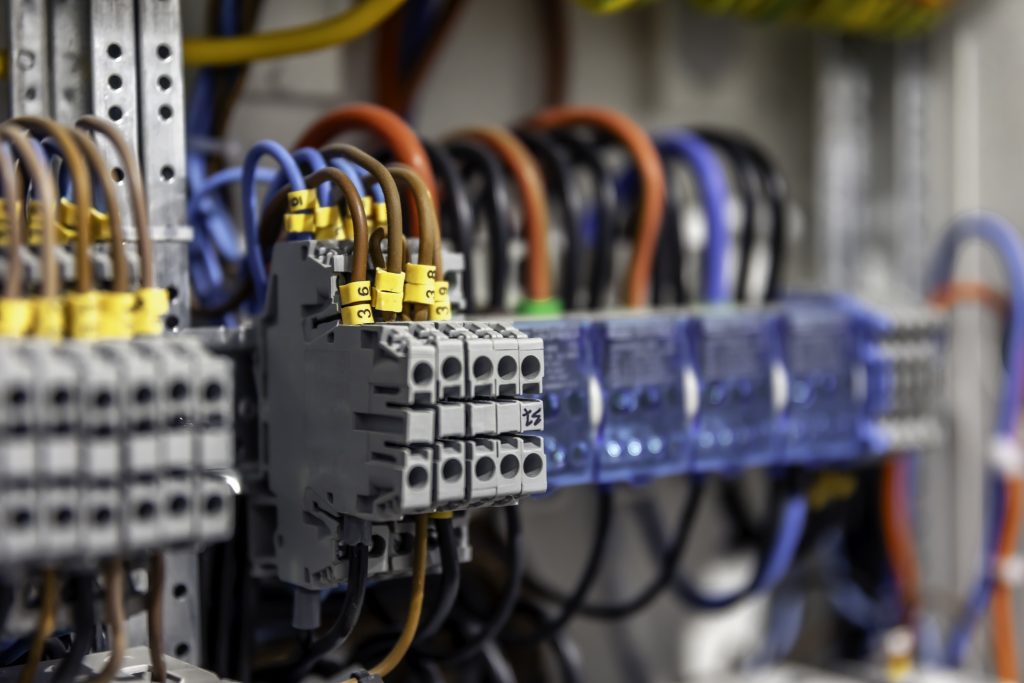
Electrical panels are now active smart energy management nodes from mere passive circuit housings. In Europe, there is a growing demand for:
Pre-assembled panels for plug-and-play installation
IoT-enabled breakers to identify predictive failure
Panels designed for solar and battery integration
The panels are being used more frequently in refurbished buildings as well as in smart infrastructure.
As electricity infrastructure spreads, the need for efficient, low-loss distribution transformers grows. Current trends in Europe focus on:
Eco-design compliant transformers with amorphous cores
Compact substation transformers for densely populated cities
Ester-filled and dry-type transformers for fire protection and environmental conservation
Transformers are an important part of renewable power plants, industrial facilities, and public works projects. Utilities in Europe are increasingly replacing existing units with high-efficiency units.
Distribution Boards
Modern distribution board (also referred to as distribution box in many residential and commercial settings) does more than just circuit routing—safety, control, and data-acquisition support are included.
Smart breaker boards with fault detection and monitoring
Individual tenant metering panels
Integrated surge protection and AFDD (Arc Fault Detection Devices) as standard
They can be seen in apartment complexes, hospitals, schools, and office buildings.
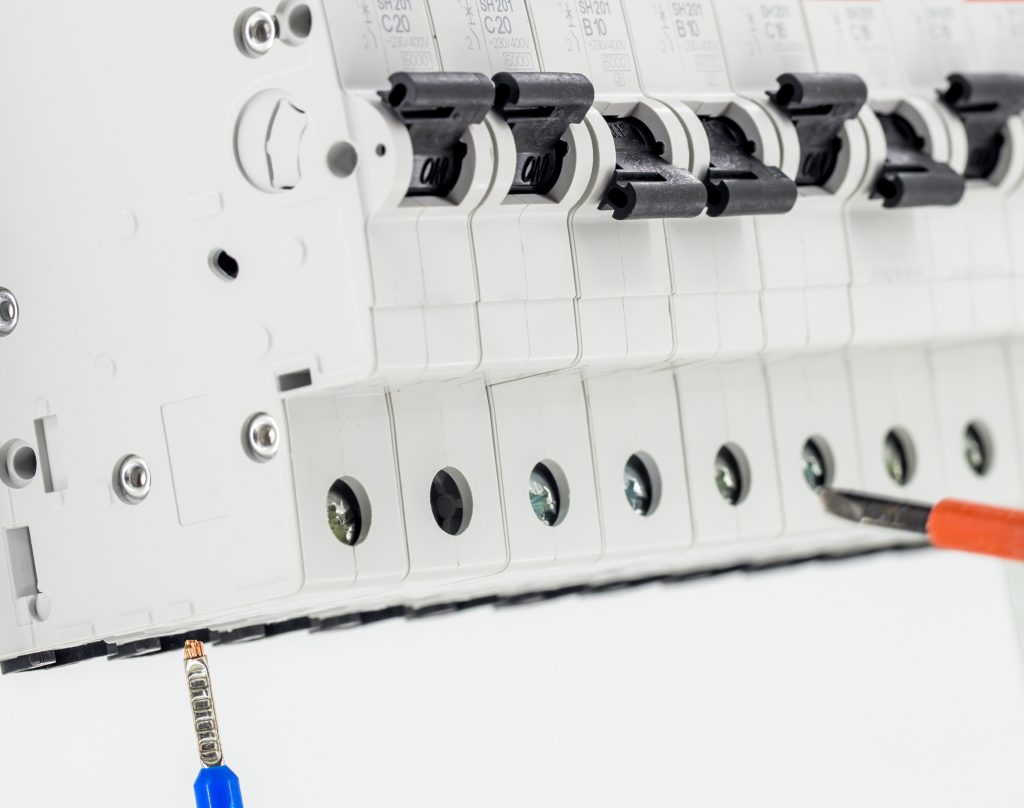
Modern European distribution boards increasingly use compact, high-reliability protection devices such as miniature circuit breakers (MCBs) and molded case circuit breakers (MCCBs). These breakers are essential for circuit protection against overload and short-circuit faults, and their modular form factors allow for flexible panel designs.
Battery and Battery Management System (BMS)
Energy storage significance exists in Europe’s push for self-sufficiency and integration with renewable sources. Battery systems are now widely used in:
Residential solar installations
Commercial backup and load shifting
Grid-tied microgrid solutions
Complemented with high-end Battery Management Systems, they offer safety, performance, and remote monitoring. Many newer BMS platforms are cloud-integrated, update firmware over the air, and provide real-time diagnostics.
EV Charging Infrastructure
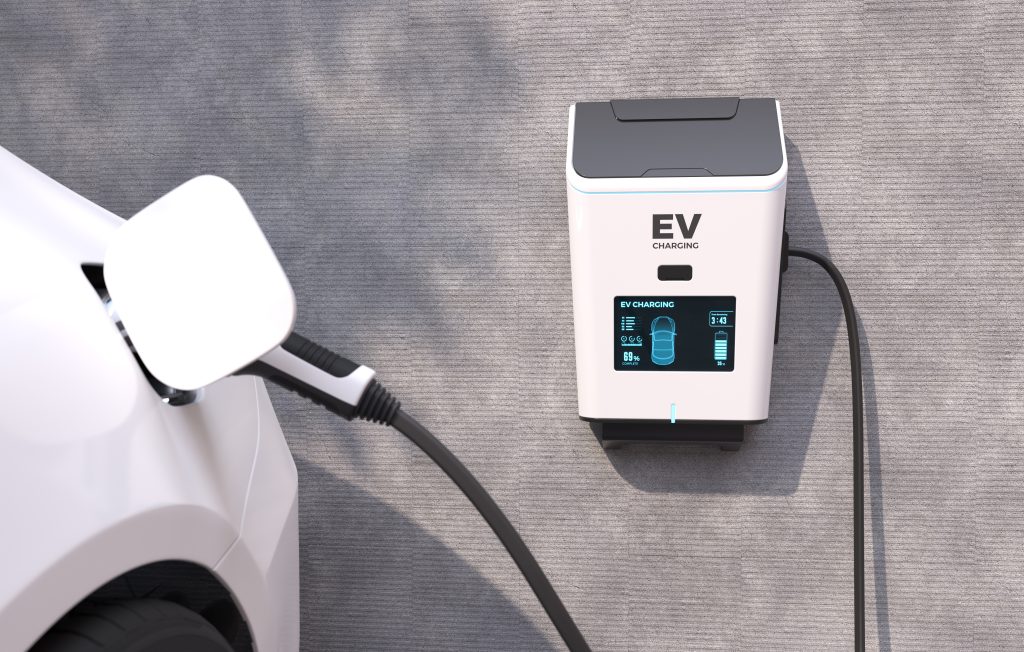
As the EU’s Alternative Fuels Infrastructure Regulation (AFIR) gains traction, Electric Vehicle charging stations are rapidly expanding at a rapid pace throughout the continent. Key components are:
AC wallbox chargers for offices and parking at home
Fast chargers for highways and logistics hubs DC
Smart load-balancing equipment and billing programs
Renewable Energy Components
Increased reliance in Europe on solar, wind, and hybrid systems is driving demand for advanced components like:
Low-irradiance condition-optimized String and microinverters
DC combiner boxes and weatherproof junction enclosures
Rapid shutdown fire safety devices for PV systems
These products are essential in facilitating safe energy transfer, efficiency optimization, and adherence to national grid codes (e.g., Germany, France, and the Netherlands).
Automation and Control Systems
Automation is now a part of electrical infrastructure that ranges from factories to smart cities. Typical automation choices are:
Programmable Logic Controllers (PLCs)for process control
Smart relays and contactors
Sensors for lighting, HVAC, and motion detection
These systems enhance security, reduce the operation cost, and align with Europe’s thrust towards Industry 4.0 and building automation norms like KNX and BACnet.
Smart Grid Technologies
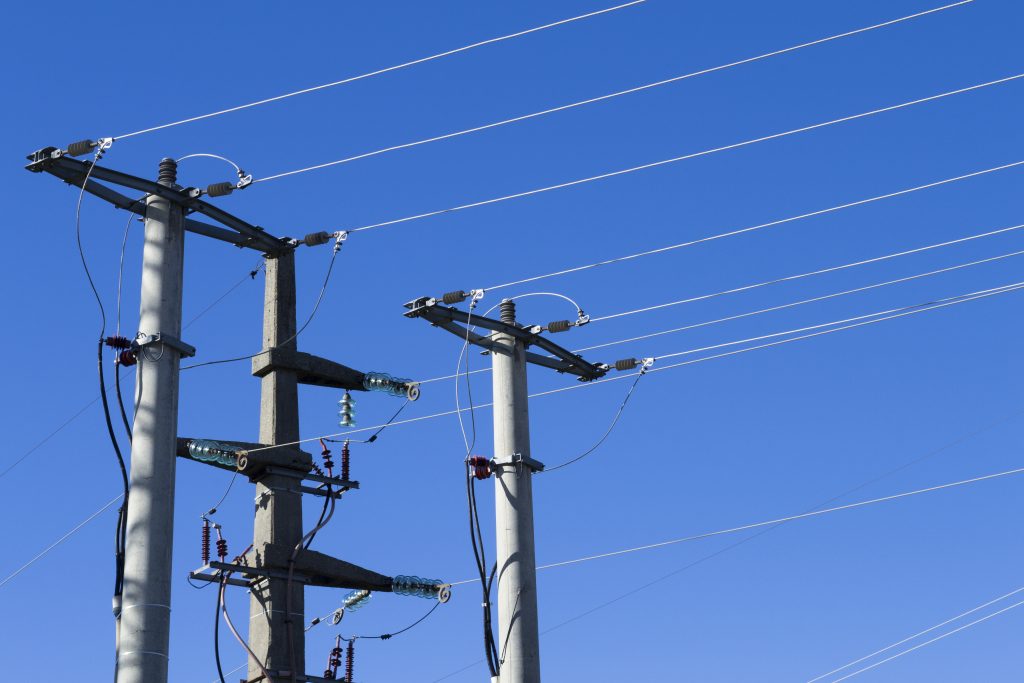
As Europe shifts towards dynamic, decentralized energy systems, smart grid technologies have become the focus point. These include:
Substation Remote terminal units (RTUs)
Advanced metering infrastructure (AMI)
Distribution automation systems
Smart grid equipment enables utilities and building managers to respond in real time to energy usage, outages, and generation fluctuation — making them a necessity for a stable, efficient European power grid.
Market Outlook: Smart Meets Sustainable
In the future, the European electrical market will be driven by two forces: intelligence and sustainability. By 2030:
Over 70% of new electrical infrastructure will be digital-native
Energy-as-a-Service(EaaS) business models will become mainstream in commercial building retrofits
Second-life EV batteries for grid and industrial storage
European building codes will mandate low-carbon electrical design
The market is transforming from hardware-oriented to system-oriented, with interoperability, remote diagnosis, and software-defined upgrades as prerequisites.
Final Thoughts
Europe’s electrical revolution has already begun in earnest. From policy to renewables, from EVs to automation—this revolution is rewriting the rulebook on infrastructure.
For businesses, engineers, and procurement professionals, choosing the right electrical products in 2025 is not just about performance, but also compliance, sustainability, and future-proofing.
New, regulation-sound, and energy-efficient in design, OOHMAGE is proud to be a part of this revolution—supplying products that power the smarter, greener Europe of tomorrow.
FAQ
What’s the difference between distribution boards and distribution boxes?
While often employed synonymously, the distribution board typically refers to a more industrial or technical-grade unit of hardware used in commercial and residential settings. Distribution box is a more colloquial or compact iteration of the same concept, but often utilized in household or small installations. Both have protection devices like circuit breakers and ensure safe energy distribution via circuits.
What is the impact of EV growth on electrical product demand in Europe?
The growth of the EV industry has brought with it a steep surge in demand for EV charging infrastructure, including AC and DC chargers, load management, and energy storage integration. Such a change requires not just the best cabling and power converters but also intelligent control systems that balance loads in the grid.
What role does sustainability play in choosing electrical components today?
Sustainability is not optional but a competitive imperative. Electrical devices need to be energy efficient, have a low carbon footprint and highlifespan. Smart grid technology, recyclable enclosures, modularity, and interoperability with renewable systems are all vital factors.
Figure 1. Contactors, circuit breakers, and motor starters solve different control and protection tasks. These three devices often appear in the same motor-control panel, but they solve different problems. A contactor handles frequent, remote, or automatic switching during normal operation. A circuit breaker interrupts abnormal current within its rated capability. A motor starter normally combines […]
The main types of circuit breakers used in low-voltage distribution include miniature circuit breakers (MCBs), molded case circuit breakers (MCCBs) and residual-current devices such as RCCBs and RCBOs. They are not interchangeable. MCBs and MCCBs are selected for overcurrent protection in different circuit roles, an RCCB provides residual-current protection without integral overcurrent protection, and an […]
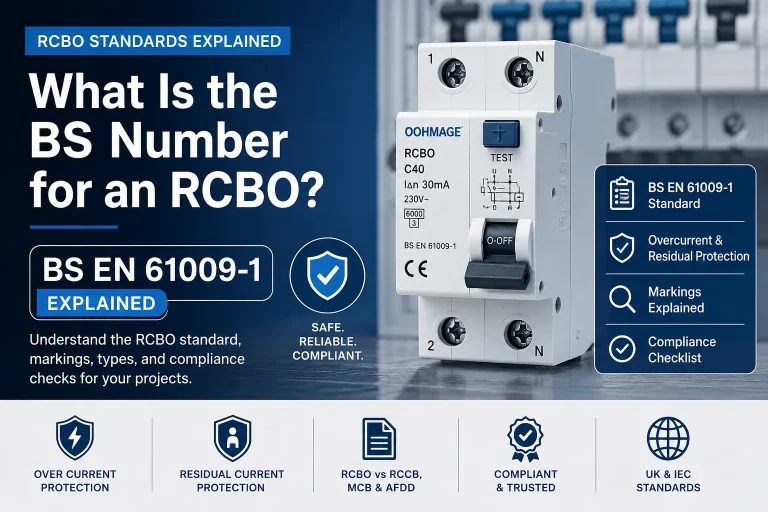
Introduction If you are searching for the RCBO BS number, the answer most commonly required in UK and IEC-based electrical procurement is BS EN 61009-1. This is the principal product standard associated with residual current circuit breakers with overcurrent protection used in residential, commercial, and similar installations. However, merely the BS number is not sufficient […]