Top Electrical Products for Africa about the Continent’s Infrastructure Growth
Published: Author: Conor
Africa stands at the crossroads of its development trajectory. With the faster growly population on the planet, expanding cities, and increased digital connectivity, the need for efficient electrical infrastructure on the continent has never been more urgent. Electricity to energize homes, enterprises, schools, and hospitals requires not only ambitious energy policies but also the right mix of technologies and electrical products.
This blog discusses the Top Electrical Products for Africa’s infrastructure development. These components are not just devices—they are foundations for new, resilient, and sustainable infrastructure systems on the continent.
Africa’s Infrastructure Priorities
Electric transmission & distribution
Urban and rural electrification
Renewable energy integration
Industrial &smart city development
These sectors of development demand a varied range of electrical components, from transformers to solar inverters.
To meet this need, African countries are considering both large-scale projects (like national electric power programs and grid systems) and small-scale, responsive systems tailored to local needs.
Top Electrical Products for Africa’s Market
Africa’s infrastructure development requires electrical products that are not only reliable but also suited for extreme weather conditions, weak grids, and cost-sensitive projects. The subsequent are the top ten most critical electrical products powering the continent’s progress:
1. Distribution Transformers
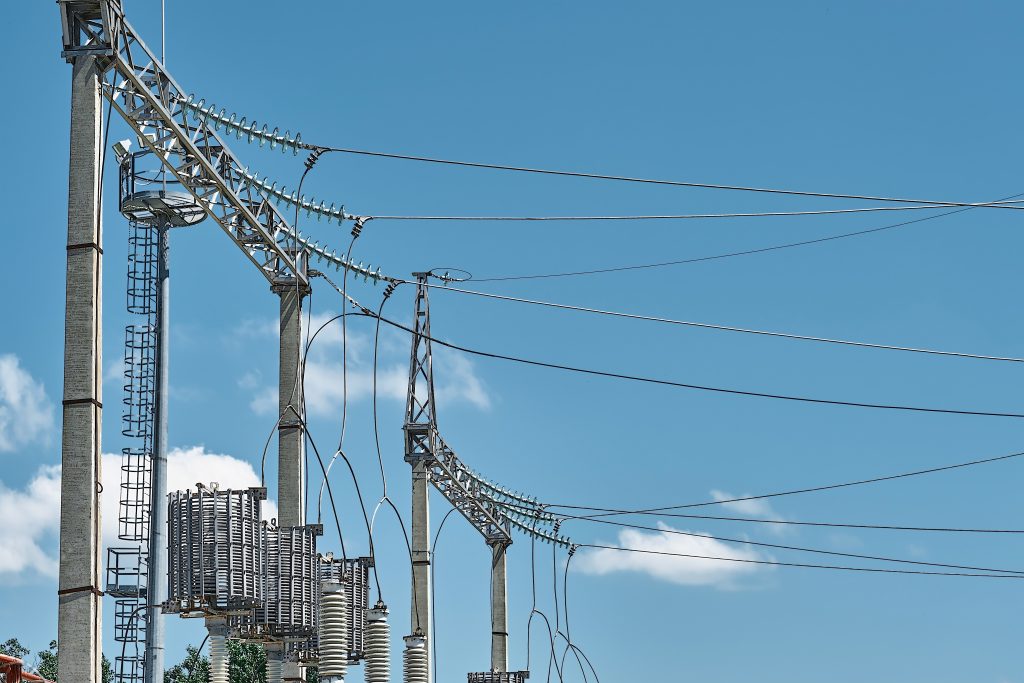
Distribution transformers are the heart of energy transmission. Electricity, as generated and transmitted over long distances, must be stepped down to safer voltage levels for use in homes and commercial consumption. Distribution transformers are especially vital in rural electrification projects and new residential estates.
Where centralized grids are expanding very quickly, such as in East Africa and North Africa, the demand for reliable and small distribution transformers is on the rise.
Fields of application: Utility substations, industrial areas, rural electrification
2. Power Cables and Conductors
Power cables and conductors are the backbone of the energy infrastructure, ranging from transmission lines in rural areas to industrial buildings. Armored cables, low-voltage power cables, and fiber-combined cables have seen demand rising by leaps and bounds over the past few years.
As projects like Nigeria’s Presidential Power Initiative and Kenya’s Last Mile Connectivity Project keep expanding, producers of affordable and high-quality cables have a critical part to play.
Applications: Transmission lines, solar farms, electric infrastructure
3. Solar Inverters
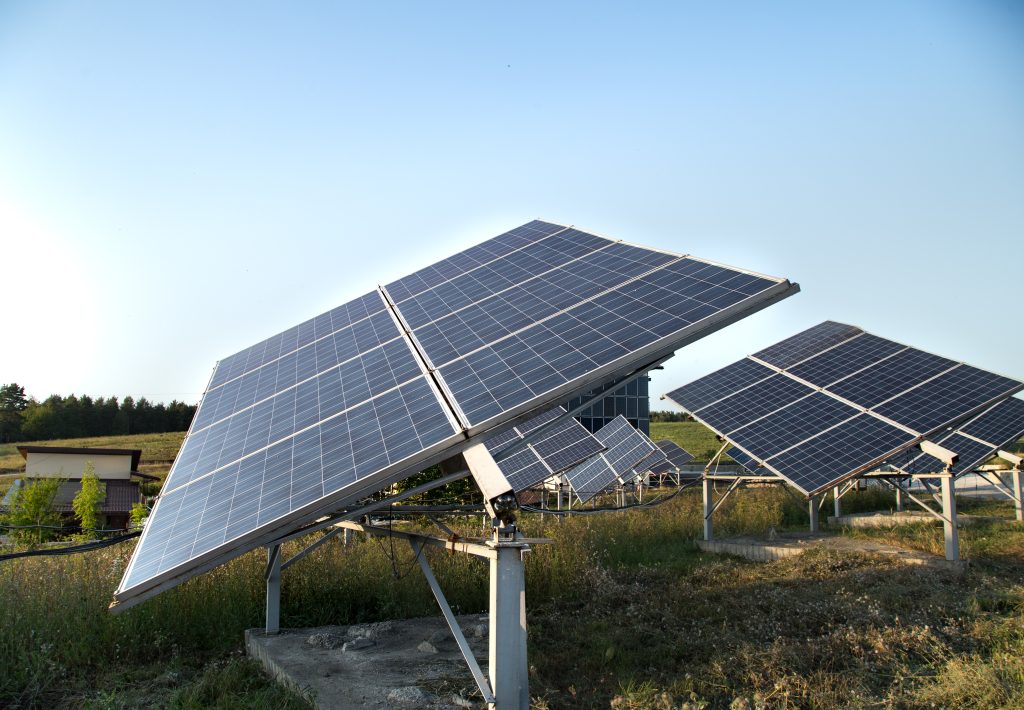
Africa has immense solar potential—receiving some of the highest solar radiation in the world. Solar inverters, which convert DC from solar panels into usable AC power, are a key component of both on-grid and off-grid solar installations.
As solar energy has now become mainstream in rural villages, industrial parks, and even homes within urban areas, inverters—especially hybrid and smart inverters—have been in hot demand. The systems are often coupled with batteries, complementing the continent’s shift to cleaner, more robust energy.
Advantages: Sustainable, scalable, and low-maintenance
Applications: Mini-grids, schools, hospitals, remote homes
4. Circuit Breakers & Switchgear
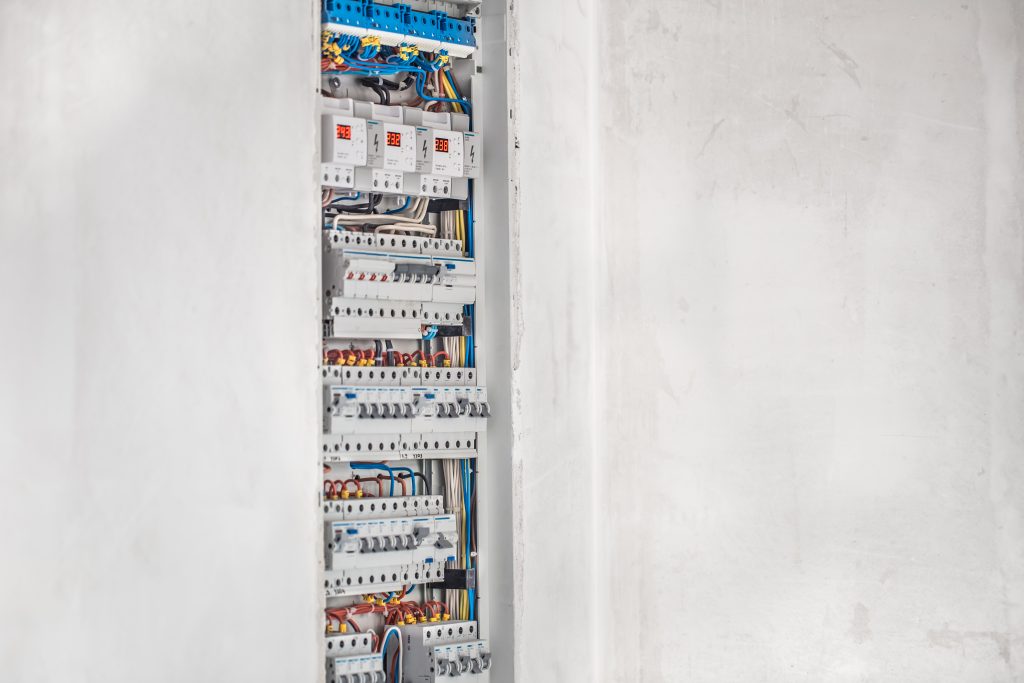
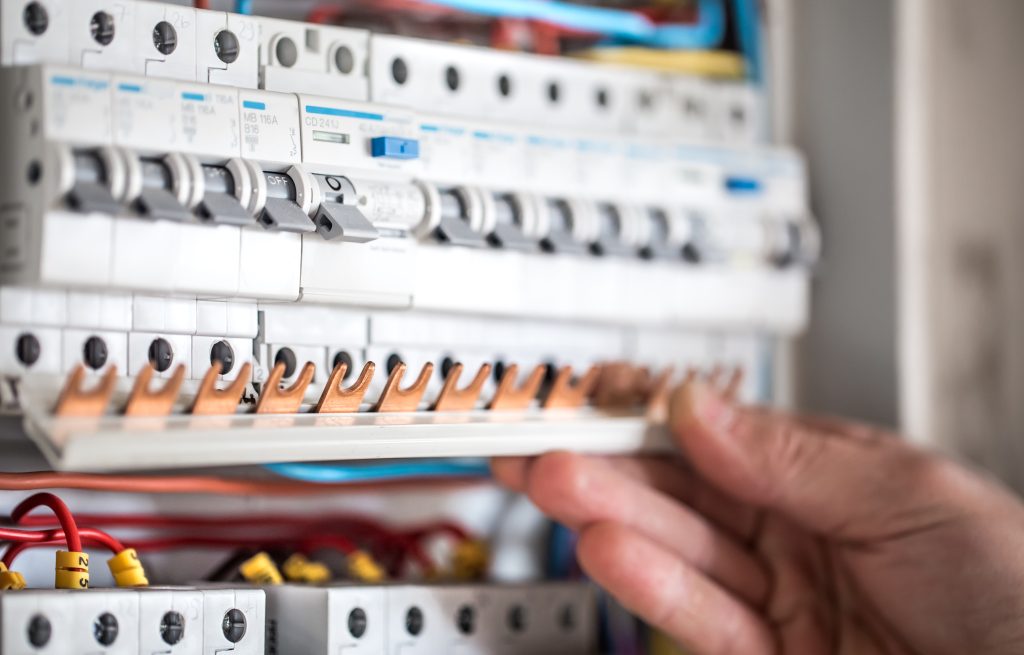
They protect electrical circuits from overloads and faults and enable power to be safely controlled. They protect equipment and people by automatically switching off the current in case of overloads, faults, or short circuits. As infrastructure is built—particularly in fast-developing residential and small business areas—reliable circuit protection is a critical basic necessity. Both traditional and smart circuit breakers are now available for Africa’s diverse use cases.
Applications: Domestic panels, industrial switchboards, control rooms
5. Low-Voltage Switchgear
Switchgear systemsare used to control, protect, and isolate electrical equipment. Low-voltage switchgear, in particular, serves a vital function at the building-level distribution—whether in hospitals, schools, commercial complexes, or factories.
Modular and compact switchgear setups are in vogue as they are simple to install and maintain. A majority of the world’s top electrical brands have set up assembly factories or distributor networks across Africa to capitalize on this demand.
Benefits: Shortcircuit and overload protection, modular expandability, easy maintenance
Applications: Industrial plants, commercial buildings, public infrastructure, and hospitals
6. Prepaid and Smart Energy Meters
African utilities are also looking to prepaid energy meters as a means of improving revenue collection, reducing energy theft, and giving consumers greater control over their usage. The meters allow customers to pay for electricity upfront—similar to buying airtime for a mobile phone. Remotely readable and controllable smart meters are also gaining entrance in commercial outlets and new residential complexes. Interoperability with mobile money networks has accelerated the proliferation of prepaid models in Kenya, Ghana, South Africa, and beyond.
Frequent blackouts and grid instability have made UPS systems a necessity for mission-critical services such as hospitals, banks, and IT facilities. UPS devices provide short-term backup power to keep the systems online until online backup generators or the grid become available.
With data centers having mushroomed across South Africa, Nigeria, Kenya, and Egypt, the use of UPS systems has expanded from standalone offices to enterprise-level infrastructure.
Use cases: Hospitals, banks, telecom, residential backups
Battery types: Lead-acid, lithium-ion, hybrid
8. Surge Protection Devices (SPDs)
The majority of African countries experience regular thunderstorms and voltage surges. Surge protection devices are used to protect sensitive electronic equipment from transient voltages that could lead to severe damage.
SPDs are being fitted in telecommunication centers, data centers, and homes to protect against grid instability and lightning. In some locations, they’re being made a required safety precaution in new buildings.
Types: Type I (lightning), Type II (residential), Type III (terminal devices)
Installations: Panels, distribution boards, control boxes
9. LED Lighting Systems
The LED light is one of the most power-saving and economical technologies available today. Where power resources are limited or intermittent, LEDs offer extended operation at low power consumption.
Governments and NGOs have distributed millions of LED kits to rural homes, and cities are retrofitting public buildings and street lights with LED systems to conserve electricity costs. The impact varies from single solar-powered lanterns to combined lighting systems for schools and clinics.
Benefits: Longlife, low maintenance cost, high energy efficiency
Applications: Streetlighting, rural home lighting, schools, solar-powered systems
10. Mini Substations
With the growing need for decentralized distribution of power, mini substations have become a necessity. They are integrated assemblies containing transformers, switchgear, and protection equipment in a single enclosure.
Mini substations are ideal for fast installation in industrial estates, mines, and city developments where space is a limitation. That they are plug-and-play makes them highly attractive to infrastructure projects needing fast commissioning.
Benefits: Compactness, fast installation, integral control & protection
Applications: Urbanizationareas, industrial estates, upgrading of utility distribution systems
Local Market Factors
Manufacturers and suppliers entering the African electrical products market should be aware of local market factors. The prime drivers are:
Climate & Durability
The products must be robust enough to handle heat, dust, humidity, and frequent storm weather. IP-rated enclosures and corrosion-resistant materials are suggested.
Cost & Financing
Price sensitivity is very high. Products offering long-term value, modularity, and compatibility with financing plans (like lease-to-own) fare well.
Mobile Integration
Most energy systems are connected to mobile money platforms for billing, control, and monitoring—especially in off-grid and mini-grid applications.
Regulatory Environment
Different countries have different standards of safety and performance. Certifications like IEC help in establishing trust and facilitating regulatory approvals.
Local Assembly & Distribution
Logistics complexities and high import costs make local assembly partnerships and regional warehousing common strategies for global players.
Conclusion
Africa’s infrastructure is growing at a rapid pace, and reliable electrical products are a key enabler in powering this growth. From urban smart cities to rural electrification, the right components become the game changer in building a sustainable tomorrow.
At OOHMAGE, we understand the region’s particular needs—from harsh climates to off-grid demands. And that is why we supply high-quality, affordable electrical products like switchgear, LED lights, and mini substations, built with practical world standards in mind.
If you want to know more about us, please contact us now.
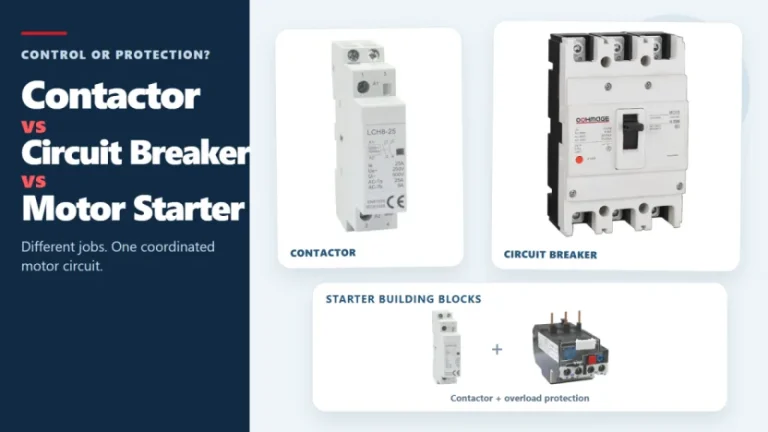
Figure 1. Contactors, circuit breakers, and motor starters solve different control and protection tasks. These three devices often appear in the same motor-control panel, but they solve different problems. A contactor handles frequent, remote, or automatic switching during normal operation. A circuit breaker interrupts abnormal current within its rated capability. A motor starter normally combines […]
The main types of circuit breakers used in low-voltage distribution include miniature circuit breakers (MCBs), molded case circuit breakers (MCCBs) and residual-current devices such as RCCBs and RCBOs. They are not interchangeable. MCBs and MCCBs are selected for overcurrent protection in different circuit roles, an RCCB provides residual-current protection without integral overcurrent protection, and an […]
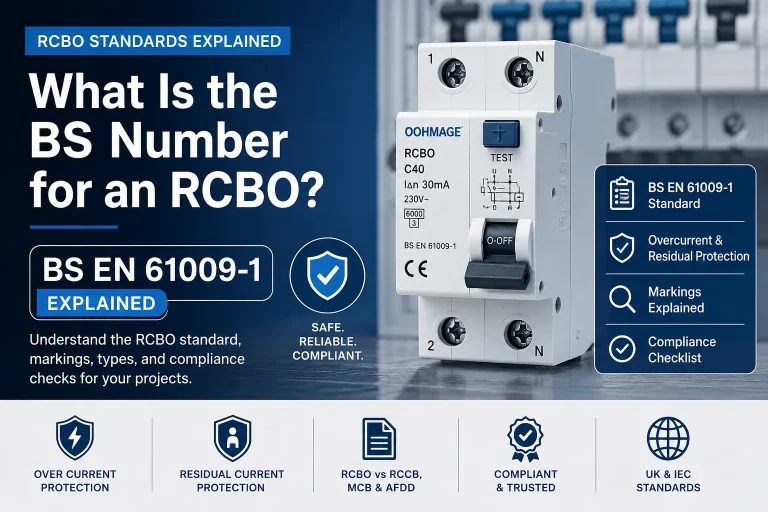
Introduction If you are searching for the RCBO BS number, the answer most commonly required in UK and IEC-based electrical procurement is BS EN 61009-1. This is the principal product standard associated with residual current circuit breakers with overcurrent protection used in residential, commercial, and similar installations. However, merely the BS number is not sufficient […]