Solar Combiner Boxes: Enhancing Solar PV System Performance
Published: Author: Conor
Solar PV systems face challenges with efficiency and safety due to complex wiring and potential power losses. A solar combiner box provides an effective solution to these issues. It consolidates multiple solar panel inputs into one output, streamlining the connection process and enhancing overall system management.
By integrating key components like fuse holders, surge protection devices, and DC disconnects, the combiner box not only simplifies maintenance but also boosts the safety and performance of solar PV systems. This introduction explains the crucial role of solar combiner boxes in modern solar energy solutions.
What is a Solar Combiner Box
A solar combiner box is a critical component in solar PV systems, designed to consolidate the electrical output from multiple solar panels into a single, manageable output. This box houses parts like fuse holders, surge protection devices, and DC disconnects. Its primary function is to streamline the wiring system, making it simpler and safer to manage.
Combining the outputs reduces the system’s complexity and helps with monitoring and maintenance. The solar combiner box enhances system efficiency and reliability, ensuring a more organized and safer solar power setup.
Components of Solar Combiner Boxes
A solar combiner box comprises several key components that enhance its functionality and safety.
Fuse Holders and Fuses
These are essential for protecting the individual strings of solar panels from overcurrent. Each string of panels connects to a fuse holder containing a fuse rated for the maximum current the string can produce. If the current surpasses this limit, the fuse blows, preventing potential damage to the panels and wiring. This safety ensures the longevity and safety of the entire solar PV system.
SPDs are crucial for shielding the solar PV system from voltage spikes, which can happen because of lightning strikes or other sudden power surges. These devices divert excess voltage from the system’s sensitive components, preventing damage.
DC Disconnects
Also known as isolator switch, a DC disconnect allows for the safe isolation of the solar array from the rest of the system. This is particularly important during maintenance or emergencies, as it ensures that technicians can work on the system without the risk of electrical shock. DC disconnects are designed to handle the direct current produced by the solar panels, and their inclusion in the combiner box enhances both safety and convenience.
Monitoring Equipment
Modern solar combiner boxes often include surveying equipment that tracks the performance of the solar panels. This equipment can measure various parameters such as current, voltage, and power output for each string of panels. Providing real-time data allows for the early detection of issues, enabling prompt maintenance and optimal performance.
Solar Combiner Box Components’ Benefits
Component
Benefits
Fixed or Changeable
Fuse Holders and Fuses
Protects solar panel strings from overcurrent, enhancing system safety
Changeable
Surge Protection Devices
Shields system from voltage spikes, preventing damage to components
Changeable
DC Disconnects
Allows safe isolation during maintenance or emergencies, ensuring safety
Fixed
Monitoring Equipment
Tracks performance in real-time, aiding in early detection of issues
Changeable
Applications of Solar Combiner Boxes
Solar combiner boxes are vital in various applications, enhancing the efficiency and safety of solar PV systems. Their utility spans residential, commercial, and utility-scale projects, with each application benefiting uniquely from their features.
Residential Solar PV Systems
In residential settings, solar combiner boxes simplify the integration of solar panels. Homeowners typically install multiple panels to generate sufficient power for household needs. The combiner box consolidates the output from these panels into a single output, streamlining the wiring and reducing complexity. This setup not only makes installation easier but also facilitates maintenance. The built-in protection mechanisms, such as fuses and surge protection devices, safeguard the system from electrical faults, ensuring a safe and reliable power supply for the home.
Commercial Solar PV Systems
Commercial establishments often require more substantial power output, necessitating a more complex solar PV setup. Solar combiner boxes are crucial in these scenarios, as they efficiently manage the increased number of panels. Combining the outputs from multiple strings of panels reduces the wiring needed, simplifying the installation process.
Utility-Scale Solar Farms
Utility-scale solar farms represent the largest and most complex application of solar combiner boxes. These installations involve thousands of solar panels spread over vast areas, generating significant amounts of electricity. The role of solar combiner boxes in these settings is to manage and streamline the massive amount of electrical output. Combining the output from multiple panel strings reduces the complexity of the wiring system, making the system more manageable and enhancing its reliability and efficiency.
Off-Grid Solar Systems
Off-grid solar systems, which are not connected to the primary electrical grid, also benefit from using solar combiner boxes. These systems are often used in remote locations where grid access is not feasible. The combiner box in off-grid setups consolidates the output from multiple solar panels, ensuring a stable and efficient power supply. The included DC disconnects allow for safe maintenance and system adjustments without the risk of electrical shock.
Agricultural Solar Systems
In agricultural applications, solar power runs irrigation systems, lighting, and other equipment. Solar combiner boxes help manage the solar arrays used in these settings. Combining the outputs from multiple panels provides a streamlined and efficient power supply. The protection mechanisms ensure the system remains safe and operational, even in challenging environmental conditions.
Remote Telecommunications
Solar power is increasingly used to power remote telecommunications equipment. Solar combiner boxes play a crucial role in these setups by managing the output from multiple solar panels. This ensures a durable and reliable power supply for critical communication infrastructure. The monitoring equipment integrated into the combiner boxes helps track the system’s performance, quickly identifying and resolving any issues.
Advantages of Solar Combiner Boxes
Improving Safety
Protection from Overcurrent: Solar combiner boxes incorporate fuse holders and fuses that protect solar panel strings from overcurrent. If the current exceeds the limit, the fuse blows, preventing potential damage to the panels and wiring.
Surge Protection: These boxes include surge protection devices that shield the system from voltage spikes, such as those caused by lightning strikes, ensuring the solar panels’ longevity and associated equipment’s longevity.
Safe Maintenance: With DC disconnects, the solar array can be safely isolated during maintenance, reducing the risk of electrical shock and ensuring technician safety.
Enhanced System Protection: The combination of fuses and surge protection devices effectively manages minor and major electrical faults, improving overall system safety.
Enhancing Efficiency
Streamlined Wiring: By combining the outputs of multiple solar panels into a single output, solar combiner boxes reduce the complexity of wiring, making the installation process more straightforward and less time-consuming.
Efficient Power Management: Consolidating panel outputs facilitates more efficient power management and distribution, ensuring optimal solar PV system performance.
Real-Time Monitoring: Integrating monitoring equipment allows for real-time system performance tracking. This helps identify issues promptly and maintain peak efficiency.
Reduced Downtime: Efficient fault detection and isolation minimize downtime, ensuring the solar PV system operates continuously and reliably.
Simplified Installation and Maintenance
Easier Installation: The simplified wiring setup reduces the time and effort required for installation, making it more accessible for various types of installations, from residential to large-scale projects.
Cost-Effective Maintenance: Easy access to all critical components in one box makes maintenance more straightforward and less costly. The ability to quickly isolate and address issues reduces overall maintenance expenses.
Modular Design: Many solar combiner boxes are designed to be modular, allowing for effortless expansion and upgrades as the system’s needs grow. This adaptability is beneficial for both small and large installations.
Improved System Performance
Optimized Energy Output: By managing the outputs of multiple panels, solar combiner boxes help optimize the overall energy output of the solar PV system, ensuring maximum power generation.
Enhanced Reliability: The robust design and integration of protective components enhance the system’s reliability, reducing the likelihood of failures and extending the lifespan of the solar panels.
Consistent Power Supply: The system can maintain a consistent power supply, which is crucial for residential and commercial applications, through efficient fault management and real-time monitoring.
Versatility and Adaptability
Wide Range of Applications: Solar combiner boxes are suitable for various applications, including residential, commercial, utility-scale, off-grid, and agricultural systems. Their adaptability makes them a versatile solution for different solar power needs.
Customizable Features: Many solar combiner boxes offer customizable features, allowing them to meet specific installation requirements. This flexibility enhances their utility across different projects.
Economic Benefits
Lower Installation Costs: The simplified wiring and reduced installation time translate to lower labor costs, making solar PV installations more affordable.
Reduced Maintenance Costs: Maintenance relief and quick issue resolution help keep maintenance costs low, providing long-term economic benefits.
Increased Return on Investment: By enhancing efficiency and reliability, solar combiner boxes contribute to a higher return on investment for solar PV systems, making them a cost-effective choice for solar energy projects.
Final Thoughts
Solar combiner boxes play a crucial role in the efficiency and safety of solar PV systems. They streamline the integration and management of solar panels, providing essential protection and monitoring capabilities. By reducing wiring complexity and enhancing system reliability, they support various applications, from residential setups to utility-scale farms. OOHMAGE is a reliable manufacturer of high-quality solar combiner boxes, offering robust solutions that meet diverse needs. Investing in a well-designed solar combiner box can increase the performance and longevity of your solar energy system.
FAQs
What is a solar combiner box?
A solar combiner box consolidates the output from multiple solar panels into a single output, simplifying the wiring and improving system management. It includes components like fuses, surge protection devices, and monitoring equipment.
Why is surge protection important in a solar combiner box?
Surge protection devices (SPDs) in a solar combiner box protect the system from voltage spikes, such as those caused by lightning, preventing damage to the solar panels and associated electronics.
How does a solar combiner box improve system efficiency?
By combining outputs from multiple panels and integrating monitoring equipment, a solar combiner box reduces wiring complexity and allows for real-time performance tracking, enhancing overall system efficiency and reliability.
Only “solarcombiner box” in your quotation is far from sufficient. What should be connected to the box? A PV string or an inverter output? They match different jobs. The price and enclosure size can be considered at a later stage. What connects to the input is the top priority. To be more specific, a DC combiner […]
Learn how to choose the right distribution box for your home or workshop. Discover sizing rules, component selection, and strict electrical safety standards.
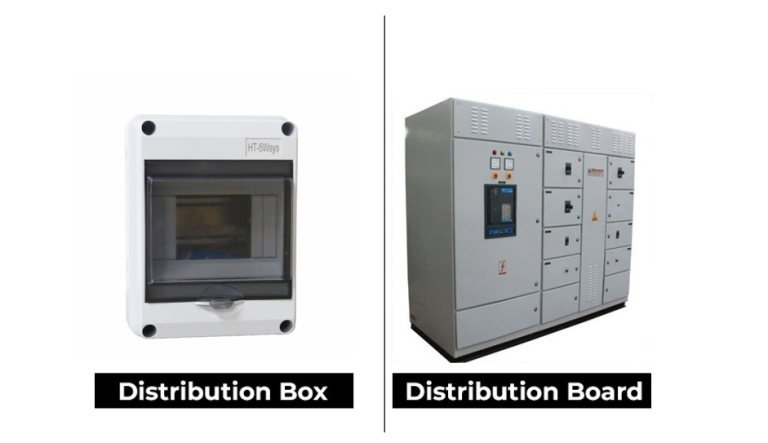
The terms distribution box and distribution board often overlap. Both can describe equipment that receives an incoming electrical supply and organizes outgoing circuits, usually with switching and protective devices. The preferred term depends on the country, applicable standard, project specification and whether the buyer needs an empty enclosure or a complete assembly. This means there […]