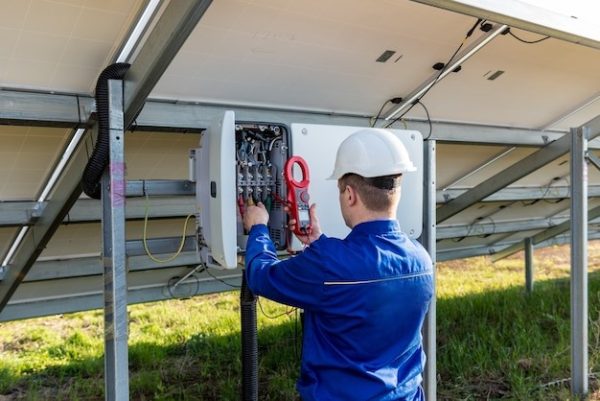
A solar panel has multiple elements that are united and arranged in a solar combiner box. Despite the fact that these boxes protect the components, they can also have some issues as well.
Here are some common solar combiner box problems and their fixes. All you need to do is notice your solar system’s issues and fix its components. This way, your solar combiner box will work efficiently.
Solar Combiner Box Fire-Safety Warning Signs
Fire risk usually increases when loose terminals, undersized conductors, blown fuses, poor grounding, water ingress or missing surge protection are left unresolved. If a combiner box shows heat marks, repeated fuse failure, burning smell, damaged insulation or unstable string output, isolate the system and have the wiring, protection devices and enclosure checked before restarting.
For projects exposed to lightning or switching surges, confirm the PV system voltage and grounding method before selecting a matching surge protection device.
Solar Combiner Boxes Problems
The solar combiner box maintains all the wires and other components that reach the inverter in one place. It protects the cables from breakage and gives them the utmost safety. However, due to some issues, solar combiner box problems occur. It includes overheating, breaker issues, faulty wiring, and much more.
1. Loose Connections
While fixing the wires in the solar combiner box, an electric professional may lose a few connections. Such loose connections in the solar box may lead to voltage or current output changes. If these wires are left loose, they can cause cable damage, potential fire dangers, and interference with other parts of the PV system.
2. Blown Fuses
Short circuits, ground faults, or high output from the solar panels can trigger the solar combiner box fuses. It can lead to unbalanced voltage and blown fuses. Overcurrent flow can also result from fuse failure and increased high-temperature resistance. Lousy installation, component failure, or lightning can blow fuses and explosions.
3. Faulty Solar Meter
In rare cases where solar panels function correctly, the main problem causing PV system failures is faulty solar meters. The cause for the issue lies in the meter’s ineffective performance in calculating solar energy generation. Faulty meter readings can also occur due to changes in telecom companies’ protocols and rates. Meters can’t compete with the new readings automatically.
4. Breaker Issues and Faulty Breakers
The DC circuit breaker also causes issues with the solar box. Sometimes, the breaker switches from “ON” to “OFF”. Check this switch, as it will make it much simpler for you to determine whether a faulty fuse controls the flow of electricity in your home.
Another breaker issue is the breaker’s faulty wiring. Faulty breakers confuse the electrical system and harm the equipment and safety. When the fuse is blown in the older electrical systems, circuit breakers, and fuse boxes are the issue. However, modern electrical panels have a more customized approach to determine whether the problem is a faulty fuse or wiring.
5. Dirt and Water Ingress
Dirt or dust can jam electricity generation through solar panels. It can reduce sunlight and electricity generation when they start to pile up. It happens due to poor installation, old or burnt wires, and affects the weather conditions.
Sometimes, weather and poor installation cause water intrusion, which is quite undesirable. The water gets into the solar wires, even though solar cables should be fixed outdoors. Water can still harm the wires as leakages can easily occur through cracks or cuts on the insulating material. Poor sealing also allows water to let in the solar connector.
6. Overheating
Another solar combiner box problem is overheating. Solar combiner boxes usually have no ventilation and are placed in high-temperature areas. High temperatures have a powerful impact on its performance and lifespan because they weaken interior elements.
7. Improper Grounding
Grounding issues in the combiner boxes can lead to electrical shocks, equipment destruction, fire risks, and a system stopping. Improper grounding can increase the risk of arc faults. Some causes include poor or inadequate grounding connections, weak or rusty grounding contacts, and inadequate grounding bars or electrodes.
When repeated failures are related to lightning or switching surges, the protection layout should include a correctly rated SPD matched to the PV system voltage and grounding method.
Solar Combiner Box Troubleshooting and Fixes
As you all know, the solar combiner box problems need urgent fixes. Otherwise, these problems will lead to malfunctioning and explosions. Here are some solar combiner box troubleshooting and fix points to help you with problems.
1. Troubleshooting Loose Connections
Check all wiring connections in the solar combiner box. Sometimes, poor production from a module might suggest that a particular area within the cells is weak. They can be followed out by the 393 FC at the junction boxes until the one causing the problem is identified.
A combiner box, which is usually close to where the lines from the modules come back, is a good place to try and find out where there is an issue in a system.
2. Blown Fuses
A blown fuse in a solar combiner box affects or limits power generation. It minimizes the performance of the solar system and produces delays.
To safely troubleshoot a blown fuse, switch off the system. Look for any broken filaments or fuse discoloration. Now, notice whether it’s an overloaded circuit, a short circuit, or even incorrect wiring.
3. Faulty Solar Meter
Lack of or irregular readings from a solar meter is an issue. Check that all the connections made to the meter are well-secured and working properly. Make sure that the readings are stable.
If a meter fails, insert an appropriate meter effectively in the system’s requirements. Daily or active meter calibration and maintenance may help achieve accurate results.
4. Breaker Issue and Faulty Breaker
You have to check every circuit breaker to ensure it’s functional. If a breaker often trips, it is too small for the circuit or is faulty; therefore, replace it with a new one.
A lousy circuit breaker can affect the power supply; therefore, it may slow down the system or even cause it to fail. The switch might be complicated to operate or not stay in the proper position. Hence, replace it with a new one and grease parts that move against each other. Change parts that are rusty or dirty.
5. Dirt and Water Ingress
Some systems stop working due to dirt or shade and produce low output. Water leakage into the combiner box can cause short circuits, corrosion, and other faults.
Windy areas have pollen or dust, which will likely affect the solar combiner box. Wipe the dirt, sand, and grains from the box occasionally. Extra weatherproofing will give additional protection to the box.
Inspect all seals, gaskets, and enclosures and look for signs of damage. Replacing any inadequate seal and ensuring the box is weatherproof is necessary to prevent water ingress.
6. Overheating
Higher temperatures of the solar combiner box reduce the system’s performance or may cause a fire. Check for temperature, heat damage, or discoloration on the combiner box.
Ensure that there is adequate airflow into the box and that all connections are well-fixed. If the load currently being supported is high, then it might be appropriate to upgrade the components.
7. Improper Grounding
When the solar combiner box is grounded incorrectly, it results in electrical faults and equipment damage. Check all the grounding connections and ensure they meet the legal standards. Ensure none of the wires are loose or corroded with the help of a multimeter.
These solar combiner box troubleshooting tips will make your system update and allow it to work efficiently.
Solar Combiner Box Maintenance Tips
A solar combiner box needs regular maintenance after purchase or troubleshooting to be durable and work well. Here are a few tips for long-term performance.
Routine Maintenance
Do not touch the fuse when it is in use.
Lightning can make the solar combiner box work fail. Ensure its proper boxing against electrical disturbances.
The high voltage of the board and inverter may affect the fuse of the system.
Install the necessary maintainers to ensure the solar combiner is working optimally. In this case, when all currents are zero, do away with the fuse.
Notice signs of corrosion and damage, then fix that part immediately.
Replace Fuse
Change the burned fuse with a new one.
Never switch on and off the fuse box when it is laden. That may also harm the fuse.
Troubleshooting Safety
Turn off the DC circuit breaker when dealing with the combiner box.
When all fuses are drawn out, the end portions of the fuse holder are at high voltage. Notice the dips in energy production and fix it.
Note: Wear appropriate PPE like insulated gloves while performing maintenance to avoid getting into any harm.
Final Thoughts
Solar Combiner box is a crucial part of the electric solar system. Therefore, high-quality solar combiner boxes from reliable electric equipment suppliers matter a lot. Their wires must be fixed and maintained routinely for the PV system. You can boost system performance by fixing common faults, including loose connections, faulty cables, corrosion, overheating, and water ingress.
Problem identification and resolution are crucial to optimizing energy output and reducing time losses. Purchase good solar combiner boxes for a stable and effective solar PV system. As you know, prevention is always better than cure, so choosing good quality solar cables is important.
FAQs
Is a solar combiner box necessary?
A solar combiner box unites multiple strings of solar panels into one inverter. It protects several outputs via fuses or circuit breakers. You may not need a combiner box if you have one or two solar panels.
Do you need a combiner box with two solar panels?
You will not require a combiner box since you only connect two solar panels. Systems with many panel strings use combiner boxes more. You can immediately wire a few panels to a charge controller or inverter.
Why does my solar inverter keep tripping the breaker?
An overloaded circuit, ground fault, wiring problem, or malfunctioning solar inverter causes it to cut out or blow the breaker. Check wires for breaks and ensure the breaker has the proper amp rating. If you cannot locate the problem, consult an expert and let him fix it.
What is the lifespan of a PV system?
Photovoltaic (PV) solar systems typically last 25–30 years. Despite their decreasing efficiency, many solar panels continue to generate electricity beyond this period.
How do I reset my solar box?
First, turn off the main disconnect switch or breaker to reset your solar box. If so, wait a few minutes and switch it on again. Safety comes first, so read the handbook or ask a specialist if you are unsure.
Only “solarcombiner box” in your quotation is far from sufficient. What should be connected to the box? A PV string or an inverter output? They match different jobs. The price and enclosure size can be considered at a later stage. What connects to the input is the top priority. To be more specific, a DC combiner […]
Learn how to choose the right distribution box for your home or workshop. Discover sizing rules, component selection, and strict electrical safety standards.
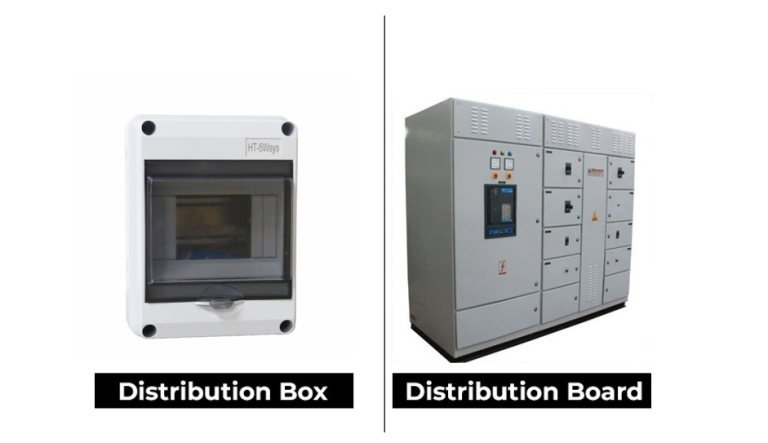
The terms distribution box and distribution board often overlap. Both can describe equipment that receives an incoming electrical supply and organizes outgoing circuits, usually with switching and protective devices. The preferred term depends on the country, applicable standard, project specification and whether the buyer needs an empty enclosure or a complete assembly. This means there […]