< img height="1" width="1" src="https://www.facebook.com/tr?id=1523171142290993&ev=PageView&noscript=1"/>
Many people invest in solar power and install batteries, panels, and inverters. But they forget or sometimes avoid the installation of power protection, such as a surge protection device. Surge protection devices are a small but valuable part of solar PV systems. Calling the surge protective device a silent guardian would be best, as it protects the solar system from lighting and voltage fluctuation. Without the surge protective device, slight voltage fluctuation in the solar array will blast the device, getting power from it. Therefore, you need to install a surge protection device to divert the excess voltage. It will protect your devices from the lighting and make your solar panels healthy. Read the article to end and learn to increase solar system life and make informed decisions for energy-saving equipment.  

The Role of Surge Protection Devices (SPDs)

The SPDs aim to safeguard electronic equipment by limiting unpredictable voltages and stopping the flow of the surge currents. External sources of surges include lightning, which is the most powerful cause. Meanwhile, 65% of internal surges happen, which includes the switching of alternating electrical loads from on and off. Relays, breakers, and heating system count in the internal surges. It mainly works with electronics that contain the consumer units for effective protection. Usually, it protects electrical equipment, but other SPD types also protect devices connected to data lines, such as cable TVs and telephones. Additionally, there is a high chance that voltage fluctuation can affect the installation if the electric appliance is safe and not other services. Therefore, the installation of a surge protection device is a cost-effective solution. It reduces equipment damage from voltage fluctuation and enhances system and data dependability.  

Electrical Surges in Solar PV Systems

Electrical surges are in the form of high voltages, which damage the different components of the solar panels upon exceeding the range. Here, we will discuss sharp surges that impact the solar system and its components. Lightning surge in solar PV systems

1. Lightning Surge

Naturally, lightning is an immense source of energy. It is possible to categorize it into induced and direct lightning surges. From both, protection against induced lightning is easy in comparison to direct lightning. A very long wire, like a cable and power line, causes an induced lightning strike, which is a high-voltage surge. Such voltage spikes potentially damage inverters, panels, and other parts.

2. Open/Close Surge

A fluctuating high voltage in a switch or relay between the switch’s on and off operation is called an Open/Close surge. It produces extremely high voltage and creates a quick current shift, increasing the electrical impedance. It also creates sparks and electromagnetic waves that can damage the solar PV system’s components.

3. Load Dump

A load dump occurs when an automobile’s battery connection cuts off. The situation gets severe when the alternator keeps charging the battery and the battery connection of the automobile fails. Alternator failure shows magnetic field strength and rotation speed to identify the magnitude and severity of the surge.

4. Electrostatic Discharge

ESD is a sort of surge that occurs when a charge has a minimal floating potential on the human body or material. The surge is then shifted to the adjacent object, which has little or no energy. Still, voltage fluctuation can cause electrical circuit malfunction or damage electronic components. High and low surges can potentially affect different parts of the solar PV system. Overloading and transient voltage can sometimes destroy the solar components. But How? Transient voltage severely affects the solar panels. Lightning has the most power among all surges and destroys the working capacity of solar cells. Thus, solar panels won’t work efficiently like before or become inoperable. Similarly, like solar panels, inverters are sensitive to surges. High voltage surges interfere with the DC and AC cycle and affect the working of the inverter’s components. Severe surge destroys the inverters in a flash. The solar PV system has wires and connections which carry the current. Surges disturb the current flow and cause short circuits, ultimately destroying the wiring, inverter, and solar panels. Therefore, surge protection devices for solar PV are as crucial as the foundation of the building. It will help increase the solar PV system’s life and working capacity.  

Types of Surge Protection Devices for Solar PV Systems

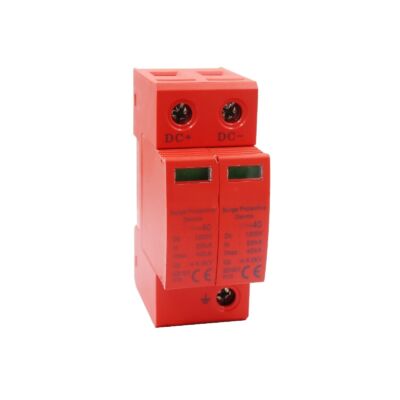
Surge protection devices also work for DC and AC circuits. DC-SPDs keep the solar PV system safe from lightning, whereas AC-SPDs will prevent current overloading. SPDs come for multiple solar power circuits and work differently with every system. Therefore, different surge protection devices are used at the time of installation. Surge protection standard IEC/EN 61643-11 proposes three types of solar SPDs. We will overview their function and how they protect the solar PV system. DC Surge Protector

Type 1 – SPD

Installation of type 1-SPD aims to occur upstream of the inverter at the location of the solar panel or utility grid connection point. It protects the Solar PV system against direct lightning strikes that cause voltage spikes. They are best to install at the service entrance because they are capable of protecting against external surges. Type 1 – SPD is the most usable and powerful solar installation system, as it also works with breakers and fuses. It offers a current waveform range of 10/350 μs and a high capacity for discharge current.

Type 2 – SPD

The Type 2 SPD installation location is the inverter circuit downstream of the solar panel. It safeguards the solar PV system from sudden voltage surges from indirect lightning strikes. Type 2 – SPD is cost-effective and offers lower protection from voltage and currents than Type 1. It offers a current waveform range of 8/20 μs and a medium capacity for discharge current.

Type 3 – SPD

Installation of Type 3 – SPD aims for the inverter downstream to be close to sensitive loads. It works with the combination of Type 1 and Type 2; therefore, it is also called combined SPD. Type 3 – SPD is a supplement for Type 2 as it distributes the transient voltage surges. It offers a current waveform of 1.5/50 to 8/20 μs and a low capacity for discharge current.  

How to Choose SPDs in Solar PV Systems?

A common query among people with solar PV systems is how to choose the best surge protective device. Well, the selection of SPD depends on several factors. One must select surge protection that can handle severe voltage spikes, as without them, your heavy investment will flash quickly. Consider these factors while opting for the best surge protection device.
  1. Analyze the types of load your solar PV system will handle.
  2. Identify surge risks and the type of SPD protection a system requires.
  3. Understand your region’s Surge protection legal standards and electric codes before installation.
  4. Choose the SPD, depending on load and features.
A well-set solar PV panel

Access the SPD Type

The very first factor while selecting the SPD is to look at which type of SPD you want to install. Every system installs multiple SPDs to protect AC and DC sides from lightning strikes. Opt for the Type 1 SPD to protect the system against direct lighting strikes. Opt for the Type 2 SPD to protect the system against indirect lighting strikes and Type 3 for complete protection, including surges and overloads.

Decide the SPD Quantity

Now, analyze how many surge protection devices you want to install for solar PV systems. SPD installation will depend on the size of the solar system and the type of protection you want. Ten meters should be the distance between the solar appliance and SPD.

Look for the SPD Ratings

Check out SPD ratings to identify the surge current capacity that the surge protection device can handle. Ensure the SPD has a high rating for nominal discharge current (In) and maximum continuous operating voltage (MCOV). A higher rating means SPD can handle high voltages.

Check SPD Features

Understand the features of the SPD you are getting for your solar PV system. Some Surge protection devices offer durability, and others only focus on utility. Check for voltage handling, monitoring capability, lifeline, and some more.

SPD Warranty

Look for the SPD warranty to ensure that the manufacturer is authentic. It will give peace of mind as authentic devices come with a lasting warranty.

Real-World Applications

Whether it’s a residential or commercial area, solar system installation is a new way to run electrical equipment. But do solar PV systems have any surge protection devices that protect the electric system? We will overview the application of SPD in solar PV systems in multiple areas. In residential solar PV systems, a surge protection device protects the system from transient surges and grid fluctuations. It protects the wiring and inverters, specifically in residence, ensuring constant power generation. In commercial settings, SPDs ensure the continuity of machines and complex systems working by protecting solar panels from surges. It increases energy production and reduces the surge downtime. SPDs are also beneficial in the industrial sector. It prevents the warehouses and machinery of plants from electrical disturbances. It increases the sustainability of heavy machines and prevents industrial equipment from lightning and overloading surges.  

Final Thoughts

SPDs are essential for solar PV systems. They increase the working capacity of the electrical system and protect it from sudden voltages and lightning strikes. While choosing the suitable surge protection device for your solar PV system, consider the type of SPD, its quantity, and rating at the top. The type of surges solar PV systems experience affects their components, or they might explode. Therefore, choose the right type of SPD for the system. Type 1 SPDs are the best for the solar PV system as they offer protection from severe lightning. Invest in the correct device to ensure the reliability and continuity of the work in every area.  

FAQs

How does a Surge protection device work for solar PV systems?

SPDs are devices that protect solar PV systems from lightning. It distributes the voltage away from the components of solar equipment to ensure their longevity and working capacity.

Why are SPDs essential for the solar panel?

Solar panels face the exterior environment, like lighting, wind, and voltage spikes. These factors can disrupt the working of solar panels. Therefore, a Surge protection device is essential. It maintains the life of the solar system and its components.

Do surges have an impact on a solar PV system?

Multiple surges like lighting, switching, and loads affect the solar system. It involves the working and components of the solar system.

What happens to the solar PV system if I don’t install SPD?

Surge protection device protects the solar system. Without them, lightning and voltages can cause massive destruction to solar panels, inverters, and a PV combiner box.

In what locations should I install SPDs?

Every surge protection device has a specific installation place. Type 1 SPD location is near the solar panel; type 2 should be near the inverter. Meanwhile, type 3 fits where types 1 and 2 have already been installed.

Related Product Categories

Previous Post

Solar Combiner Box Problems: Fire Safety & Fixes

Next Post

MCB vs. RCCB: The Essential Differences

Related Posts

AC vs DC Combiner Box: Which Does Your Solar System Need?

AC vs DC Combiner Box: Which Does Your Solar System Need?

Only “solarcombiner box” in your quotation is far from sufficient. What should be connected to the box? A PV string or an inverter output? They match different jobs. The price and enclosure size can be considered at a later stage. What connects to the input is the top priority. To be more specific, a DC combiner […]
Read More
Solar Combiner Box Wiring Diagram & Components

Solar Combiner Box Wiring Diagram & Components

What is a Solar Combiner Box? In PV systems, a solar combiner box brings selected photovoltaic (PV) string circuits into a defined output arrangement and can house protection, isolation or monitoring equipment. Whether a separate box is needed depends on the inverter inputs and the project design. For buyers, a clear combiner box drawing makes […]
Read More
What Is a Combiner Box as Used in PV System?

What Is a Combiner Box as Used in PV System?

What is a combiner box? In solar power systems, a PV combiner box plays a critical role. It simplifies the connection of multiple solar panel arrays to the inverter. It guarantees efficient power management, safety, and scalability. To choose the right PV combiner box supplier, you should have a basic idea of the product. Follow […]
Read More
+86-18757092555 Phone info@oohmage.com E-mail Chat on WhatsApp WhatsApp