As important as it is to keep electrical devices to make your work easier, it is also important to have something to protect or monitor them. Especially in industrial areas where heavy machines are very common, it can get quite expensive to repair or replace them.
Electrical control devices are the solution for all kinds of modern machine problems. By installing them, the machines are not only safe, but you can also easily handle them.
What are Electrical Control Devices?
Electrical control devices are tools that help to control, manage, and protect electrical systems. Because of them, electricity flows smoothly, and machines work properly. The electric control devices can even detect problems in electrical devices before they cause trouble.
Electrical control devices are commonly used in industries to keep the equipment working smoothly and efficiently. They work by helping to turn on or off the machines, controlling the flow of electricity, and protecting the devices from electricity overloads.
They are essential in many areas to keep your devices safe, efficient, and under control. There are many such devices, and understanding them will help you choose the right one according to your needs.
Switching Control Devices
Switching control devices does the job of turning on or off the electrical circuits. They make sure that there is a smooth and safe transition in the electrical system. These devices include:
AC Contractors
AC contractors work by using magnets to control electrical circuits. They are best in places where large amounts of electricity need to be turned on or off. Therefore, they are very common in industrial areas.
These contractors have a coil, and when they get power to switch on, they pull the switch close to themselves. This allows electricity to flow. When the coils don’t get power, the switch opens and breaks the circuit to stop the flow of electricity.
The AC contractor is essential to use with overload relays to protect the motors from getting any overload or harm by too much current.
Manual and Automatic Switches
They both serve the same purpose of turning the switch on or off safely, but the difference between them is quite clear from their name. Manual switches need a person to operate them and control the flow of electricity, such as by flipping the light switch. In comparison, automatic switches can work by themselves depending on conditions like temperature, pressure, or time.
Due to its simplicity, manual switches are often best for the usage of simple systems. On the other hand, automatic switches are more beneficial in more complex systems like heating or cooling (HVAC) units. In these kinds of systems, precise control is necessary.
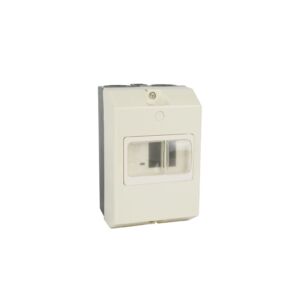
Motor Protection Circuit Breakers (MPCBs)
Sometimes, electric control devices like motors can malfunction because of too much electrical current or electrical faults like short circuits. Therefore, it is important to protect your devices from such harm by installing a motor protection circuit breaker (MPCB). These circuit breakers protect the motors by quickly shutting down the circuit in case of any issue.
There are many reasons that can destroy the motor. It includes overload, short circuits, or even if the motor is shut down quickly, it can worsen the motor wiring. That is why MPCBs are important in industrial areas, especially in places like factories and large machines where heavy motors can be very expensive to repair or replace once damaged.
By installing MPCBs, you not only save the motors from costly repairs but also increase their efficiency and lifespan.
Timers and Sequence Control Devices
Timer and sequence control devices work to control the electrical processes to start, stop, or run for a certain time period. They help in setting the devices to work for a specific period. To keep the process running smoothly, they are often helpful in automated systems where precise timings are important to keep things working.
In large industries or factories, the machines must work for a specific period and then turn off on time. These timer and sequence control devices make sure that these processes start and stop at the exact time needed.
Types of Timers
Depending on the various kinds of machines, there is always a type of timer to control the flow of operations.
On-delay Timers: They let the device start a while after you turn on the switch. For example, if they are in a conveyor system, the belt may start to move after the switch turns on.
Off-delay Timers: With these timers, the devices keep working for a while even after you turn off the switch and the power supply cuts off. For example, a fan might keep rotating for a few seconds when you turn it off.
Interval Timers: They start or stop the machine for a set period. It will start at the exact time and then shut down after a certain time. For example, interval timers in the washing machines work by letting the drum spin for a set amount of time, and then it shuts.
Sensing and Detection Devices
Sensing and detecting devices can detect changes in the environment and equipment. They work quite efficiently. Initially, go through the detection of physical conditions like changes in temperature, pressure, or even position of the object. After that, they convert this information into electrical signals.
These signals then work for the other parts of the system, such as turning the machine on or off, activating the alarm, or adjusting the process, hence making the machine run smoothly.
Sensors
Sensors can detect specific changes around their surroundings. They can even detect how close something is to the device. After it detects the change, it sends electrical signals to another device that triggers the action. Sensors can be used in simple household appliances and also in complex machines like offices or industrial machinery. The most common examples around us are lifts, doors, fire alarms, etc.
Limit Switches
Limit switches are most commonly used in industrial areas. They work by detecting the movement of the parts. For example, if a certain material has reached the point, they signal the machine to start the next step. With the help of limit switches, the machine works efficiently and safely because it does not start the next step of the process until the required material has reached its point.
Photoelectric sensors
Photoelectric sensors work by detecting the object with the help of light. They are used where physical touches are not possible. The common example is they are used to count items in conveyor belts and to make sure that no item is blocking the doorway.
Overload Protection Devices
These devices save the electrical appliances from getting damaged by overloads and excessive amounts of current. They are the key to maintaining the safety and longevity of the machine.
Thermal Overload Relay
It uses a bimetallic strip to detect excessive heat caused by the overload. If the temperature goes above the safe level, the strip bends, which causes the thermal overload relay to trip and cut off the current.
Magnetic Overload Relays
They serve the same purpose, but they use electromagnetic fields to detect overloads in devices. In case of overloads, the electromagnetic field strength increases and causes the relay to trip.
AC Contactors with Overload Relays
If AC Contactors are used with overload relays, they provide a powerful solution to protect motors. The contractor would efficiently handle the switching while the overload relay makes sure to protect them from overloads.
Human-Machine Interface (HMI) Devices
HMI devices are tools that help you interact with machines to manage and monitor how they work. They will provide you with real-time information to help you make decisions and work effectively.
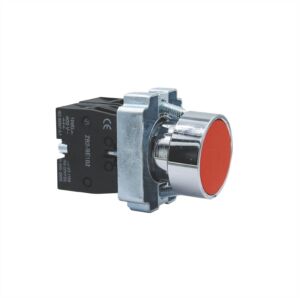
Pushbutton and Selector Switch
A pushbutton switch and a selector switch are quite simple, manual HMI devices that the operator uses to start or stop the process, change machine settings, or select operational modes.
Control Panels in HMI Screens
Now, machines can be managed in advanced ways with the help of modern control panels and HMI screens. They can easily control complex systems using graphical interfaces. The screen shows visual formats, which makes it easier for you to adjust settings and troubleshoot problems.
Modular Control Devices for Automated Systems
Modular control devices are designed for automated systems to make it easier for you to upgrade or make changes if a new requirement arises. Due to modular control devices, you can easily add new parts or make adjustments to your machine without having to completely change it.
Modular Contactors
They are switches that can control things like lighting, heaters, or motors. You will commonly see them in homes, offices, and industries. Modular contractors are easy to install and integrate into the system.
Remote Control System
Remote control systems can reduce the need for people to be on the site all the time. They allow you to control and monitor devices from a distance without being physically present there.
Final Thoughts
As important as it is to keep electrical devices, it is also important to install electrical control devices to easily manage, control, and monitor your equipment. They not only help in making your machine work efficiently but also increase its lifespan.
There are devices like switching control devices, motor protection circuits, timer and sequence control devices, sensing and detection devices, overload protection devices, HMI devices, and modular control devices that make sure that your devices are protected and also enhance their performance.
FAQs
Why are electrical control devices important?
Electrical control devices are used to monitor, protect, and manage machinery. They are useful, especially in industrial areas where it is important to control the equipment vigilantly.
How do remote control systems increase efficiency?
You can control the devices even when you are not present on site. The remote control system helps you to manage and control the devices, like shutting them on or off from a distance.
Why are sensing and detecting devices used?
These devices can detect changes in the environment like temperature, pressure or proximity. Once they detect any changes, they instantly signal another device and trigger them to take action.
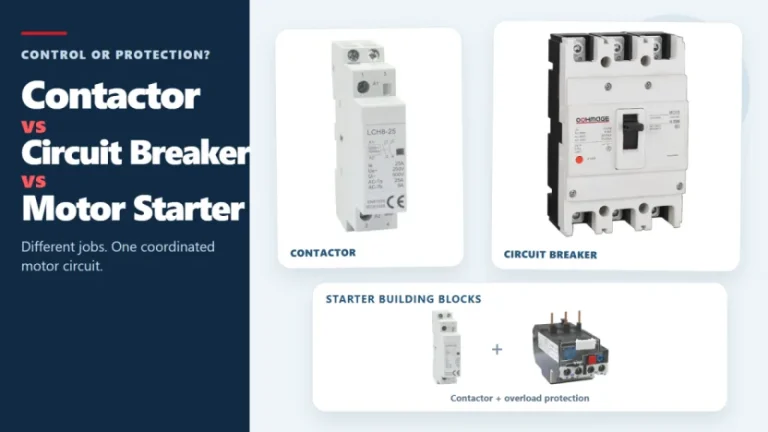
Figure 1. Contactors, circuit breakers, and motor starters solve different control and protection tasks. These three devices often appear in the same motor-control panel, but they solve different problems. A contactor handles frequent, remote, or automatic switching during normal operation. A circuit breaker interrupts abnormal current within its rated capability. A motor starter normally combines […]
The main types of circuit breakers used in low-voltage distribution include miniature circuit breakers (MCBs), molded case circuit breakers (MCCBs) and residual-current devices such as RCCBs and RCBOs. They are not interchangeable. MCBs and MCCBs are selected for overcurrent protection in different circuit roles, an RCCB provides residual-current protection without integral overcurrent protection, and an […]
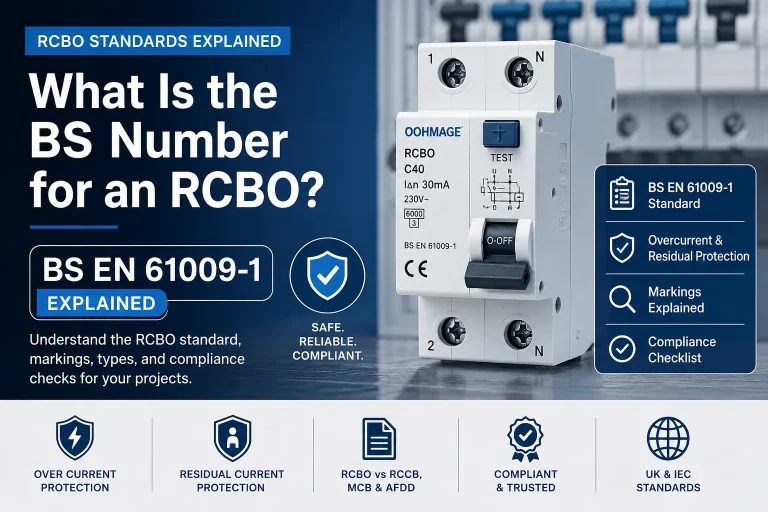
Introduction If you are searching for the RCBO BS number, the answer most commonly required in UK and IEC-based electrical procurement is BS EN 61009-1. This is the principal product standard associated with residual current circuit breakers with overcurrent protection used in residential, commercial, and similar installations. However, merely the BS number is not sufficient […]