What is the short circuit? Short circuits are a common electrical fault that can lead to fires, equipment malfunction, or power disruption. Everyone who works with electrical systems, whether at home, workplace, or in industrial applications, needs to understand short circuits.
Get to know what a short circuit is, what causes it, its consequences, and how to identify, repair, and avoid it. With simple, step-by-step explanations, practical guidance, and an interactive calculator, this device enables you to work with short circuits safely and effectively.
Interactive Short Circuit Calculator
Estimate fault current to assess short circuit risks and ensure proper circuit protection.
Fault Current: A
What Is a Short Circuit in an Electrical Circuit?
A short circuit is when electricity follows an undesirable low-resistance route, leading to abnormal current. It is similar to a shortcut in a piping system for water, where water gets a shortcut and overflows an area. Similarly, a short circuit disrupts the intended course of electricity.
There are two primary forms:
Normal short circuit: Current flows straight from live to neutral wires.
Ground fault: Current flows from a live wire to a grounded surface, like a metal appliance.
Short circuits can lead to sparks, overheating, or tripped breakers and are thus a critical safety concern in any electrical system.
Short circuits are caused by numerous preventable reasons. Some of the most common causes are:
Damaged insulation: Worn or frayed wires expose conductors, leading to unintended contact.
Faulty appliances: Faulty appliances can create internal short circuits.
Water exposure: Moisture in wiring or outlets reduces resistance, resulting in faults.
Overloaded circuits: Too many appliances plugged in can warm up wires.
Loose connections: Poorly connected wires can touch, causing shorts.
For example, an incident in a residential building saw a short circuit from a faulty appliance spark a fire.
Cause
Risk
Prevention Tip
Damaged insulation
Fire hazard
Inspect wires regularly
Faulty appliances
Equipment damage
Use certified devices
Water exposure
Electrocution
Keep outlets dry
Overloaded circuits
Overheating
Avoid overloading sockets
Loose connections
Sparks
Ensure secure wiring
Effects of a Short Circuit
The short-term effects of a short circuit are:
Sparks or arcs: Spots of light at the fault point.
Tripped breakers: Circuit breakers or fuses cut off current to prevent damage.
Burning smells: Odors from overheated wire or insulation.
Long-term risks are also serious:
Fire hazards: Short circuits are a leading cause of electrical fires across the globe.
Equipment damage: Current surges can destroy sensitive equipment.
Power outages: Entire circuits can shut down, halting processes.
In modern times, short circuits within renewable energy installations or electric vehicles (EVs) have the potential to destroy costly equipment, making sophisticated protection necessary.
How to Detect a Short Circuit
Spotting a short circuit early can prevent serious damage.
Look for these signs:
Burning smells from outlets or appliances.
Flickering lights or frequent breaker trips.
Hot outlets or discolored switch plates.
Tools for Detection
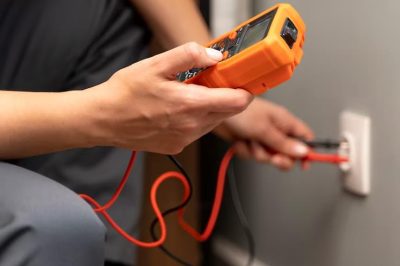
Multimeter: Measures continuity to locate faulty wires.
Non-contact voltage tester: Safely detects live wires.
Thermal imaging: Used by professionals to identify overheating.
Steps to Detect (DIY)
Turn off the power at the main breaker panel.
Inspect outlets and appliances for visible damage.
Use a multimeter to test continuity in suspected wires.
Check the breaker panel for tripped circuits or blown fuses.
Safety Warning: Never work on live circuits or bypass safety measures. If unsure, consult a licensed electrician.
Also, learn how to identify a short circuit:
How to Fix a Short Circuit
Fixing a short circuit demands caution and skill. Attempt repairs only if you’re qualified and confident.
Safety First
Turn off the power at the breaker panel.
Use insulated tools and wear personal protective equipment (PPE).
Confirm the circuit is de-energized with a voltage tester.
Step-by-Step Fix
Identify the faulty circuit: Determine which breaker tripped or use a multimeter.
Inspect wiring and appliances: Check for frayed wires, burn marks, or damaged insulation.
Repair or replace: Use electrical tape for minor insulation damage or replace faulty wires/appliances.
Test the circuit: Restore power and verify functionality.
When to Call a Professional
Complex faults (e.g., inside walls or breaker panels).
Solutions: Use Arc-Fault Circuit Interrupters (AFCIs) and smart monitoring systems. For instance, modern EV battery management systems detect shorts in milliseconds.
Final Thoughts
Short circuits are a serious but manageable electrical issue. By understanding their causes—damaged wiring, faulty appliances, or water exposure—you can detect and fix them safely. Regular inspections, circuit protection devices, and adherence to safety standards prevent faults. Use our calculator to assess risks and share this guide to promote electrical safety. For complex issues, contact a licensed electrician.
OOHMAGE: A Reliable Choice for Your Electrical Needs
OOHMAGE is one of the reputed manufacturers in China, dedicated to producing quality and reliable electrical equipment. With safety, durability, and performance as the main focus, OOHMAGE is well-trusted among professionals across all industries.
We provide a wide range of electrical protective devices for different DC and AC applications. From miniature circuit breaker to DB box, each device is designed to meet specific industry needs, ensuring optimal performance and safety across different applications.
FAQ
How to find a short circuit in the house?
To find a short circuit in your house:
1. Turn off the power at the main breaker.
2. Inspect outlets and appliances for burn marks or smells.
3 .Use a multimeter to test wire continuity.
4. Check for tripped breakers or blown fuses. If unsure, contact a licensed electrician for safe diagnostics.
Why is a short circuit dangerous?
A short circuit is dangerous because it allows a sudden surge of electrical current through unintended paths. This will cause some problems like:
Fires due to overheating wires
Electrical shock risks
Equipment damage or power failure
When does a short circuit occur?
A short circuit occurs when electricity bypasses its intended route and flows through a low-resistance path, typically caused by damaged insulation, loose or exposed wires, or contact with water. This creates excessive current that trips breakers or causes sparks.
What are the common signs of a short circuit?
Watch for these warning signs:
Burning smell from outlets
Flickering lights
Tripped breakers or blown fuses
Warm or discolored outlets
How can I prevent short circuits at home?
Follow some safety practices. And preventive measures reduce the risk of both short circuits and electrical fires.
Inspect wiring regularly for wear
Avoid overloading outlets
Use certified appliances
Install GFCIs or AFCIs
Keep outlets dry and away from moisture
Do short circuits happen in electric vehicles or solar systems?
Absolutely. In EVs and solar setups, high voltages increase the risk. That’s why advanced DC molded case circuit breakers, DC fuses, and monitoring systems are essential in modern energy applications.
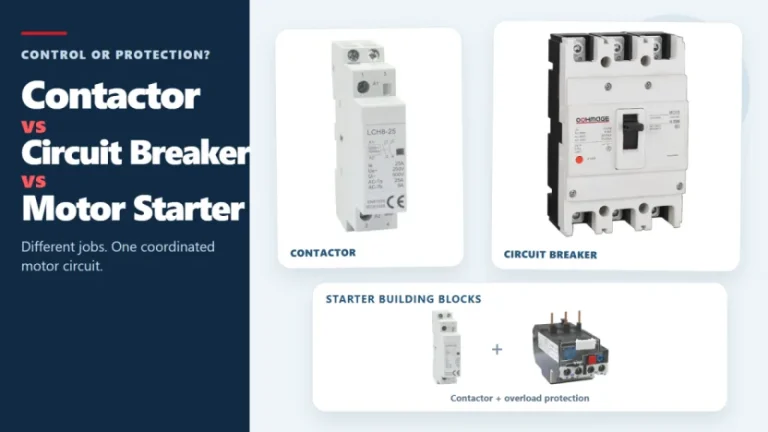
Figure 1. Contactors, circuit breakers, and motor starters solve different control and protection tasks. These three devices often appear in the same motor-control panel, but they solve different problems. A contactor handles frequent, remote, or automatic switching during normal operation. A circuit breaker interrupts abnormal current within its rated capability. A motor starter normally combines […]
Introduction The concept of remote tripping is simple, but in actual operation, project teams often encounter difficulties in specifying the components. The panel factory may require circuit breakers triggered by fire alarm relays, PLC outputs, building management system instructions, or other coordinated control. At this point, “diversion tripping” is only the first step in the […]
The main types of circuit breakers used in low-voltage distribution include miniature circuit breakers (MCBs), molded case circuit breakers (MCCBs) and residual-current devices such as RCCBs and RCBOs. They are not interchangeable. MCBs and MCCBs are selected for overcurrent protection in different circuit roles, an RCCB provides residual-current protection without integral overcurrent protection, and an […]