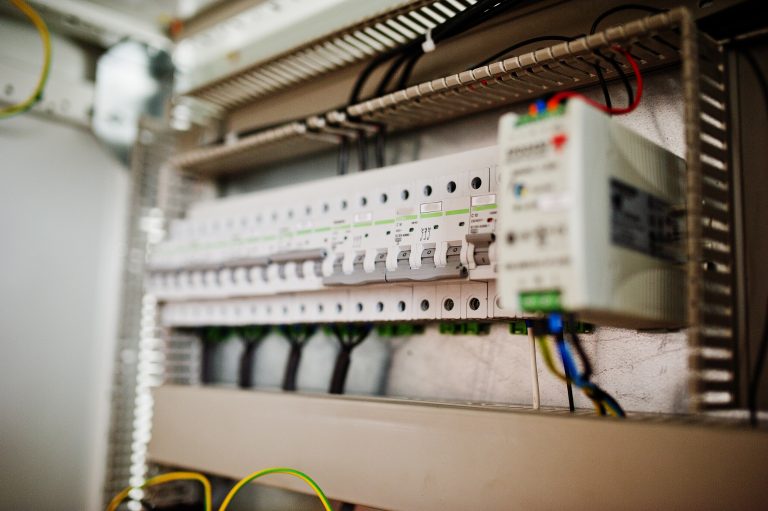
GFCI and RCBO both prevent electric shock — but they are not the same device. A GFCI protects against ground faults only. An RCBO protects against ground faults, overloads, and short circuits in one unit. That single difference determines where each device belongs. If you’re working in the United States or Canada, you’ll usually install […]
AC and DC contactors are not interchangeable. Choosing the wrong type can lead to excessive arcing, contact welding, shortened service life, or even system failure. If you are designing, upgrading, or maintaining an electrical system, the first question you should ask is simple: is this an AC or a DC load? The answer determines which […]
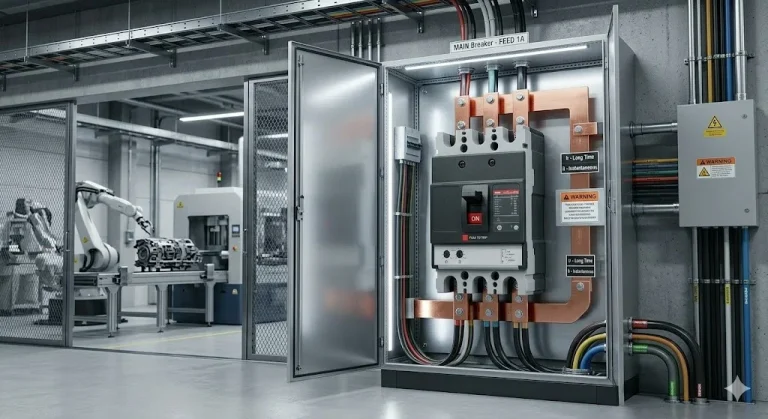
An MCCB, or molded case circuit breaker, is an overcurrent protective device used in low-voltage power distribution. It opens a circuit automatically when its trip unit detects an overload or short-circuit condition within the device’s declared operating characteristics. Choosing an MCCB is not simply a matter of selecting an ampere value. The application must be […]
If you’re working on HVAC systems, motors, heaters, or any 240V equipment, sooner or later you’ll face the classic question: “Should I use a 1-pole or 2-pole contactor?” And for many engineers or procurement teams, choosing the wrong pole count is one of the easiest ways to create nuisance trips, half-powered circuits, or unsafe maintenance […]
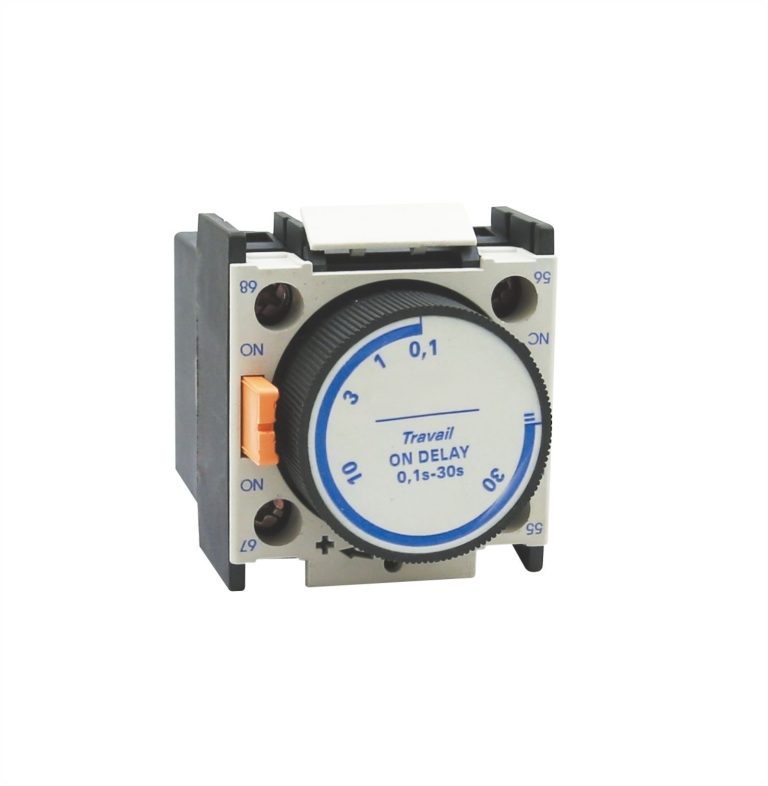
Choosing the right timer relay can make your machine safer, smoother, and more efficient. Two of the most widely used timing functions in automation are On-Delay and Off-Delay timers. While they look similar from the outside, they operate very differently. This guide explains how each timer works, where to use them, and how to pick […]