Choose the Right Solar PV Combiner Boxes for Solar PV Systems
Published: Author: Conor
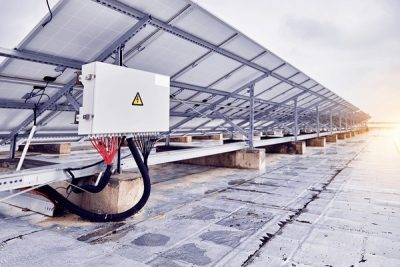
PV combiner boxes play a vital role in the solar system. Because they combine multiple strings into one, these boxes protect against electricity problems. Without a combiner box, the system may experience issues such as electrical overloads or wiring problems. Without a Solar PV combiner box, the system frequently faces wire issues, safety issues, and possibly damage to other parts.
Installation of PV combiner boxes will also double the performance and lifespan of solar panels. No one wants to compromise their system with incorrect installations or subpar equipment. Therefore, choosing the right combine box for the solar PV system requires a complete guide.
Here, we will discuss the PV combiner box, how it works, and how it contributes to the overall performance. Let’s start with a deep understanding of solar PV combiner boxes.
What is a PV Combiner Box?
For every electric system, there is a potential safety component. Similarly, a PV combiner box is their potential safety component for solar PV systems. Multiple solar strings are placed together safely in one output called a PV combiner box. It protects against overcurrent that could damage the system.
The monitoring capabilities of the PV combiner box help identify any issues, ensuring the system runs smoothly. PV combiner is like a safety net that prevents the current from overflowing. Now, the question is how the PV Combiner box works and why it is necessary in the system.
The solar PV combiner box takes DC power from each string, links them in parallel, and provides a single DC supply to the inverter. This combination updates system design, reduces wiring, and improves performance. Also, the PV combiner box provides surge protection and grounding, so the solar PV system operates safely. Heading toward understanding the types of combiner boxes will help you choose the right one for your system.
Types of Combiner Boxes in Solar PV Systems
PV Combiner boxes work as a safety circuit to protect the system from a power surge. The two broad categories of combiner boxes are AC (alternating current) and DC (direct current). They quickly disconnect the system in the event of an overload current, protecting it from damage.
DC Combiner Boxes
DC Combiner Boxes are the most common and known boxes. They are responsible for collecting the DC output from multiple solar panel strings and combining them into a single output. Together, the output is then sent to the inverter for conversion into AC power.
DC combiner boxes typically feature fuses or DC circuit breakers for each string, surge protection, and sometimes monitoring systems. They are essential for reducing power loss and providing the safety and efficiency of the DC side of the solar system. All the residential and commercial solar PV systems install the DC combiner boxes.
AC Combiner Boxes
AC Combiner Boxes work best where the solar panels are connected to micro-inverters or string inverters. It converts the DC output into AC power. Once all the AC power from the multiple inverters gathers in a single junction, all power will transfer into the grid or the main electrical panel.
They may include features like surge protection, monitoring, and circuit breakers. AC Combiner Boxes are often seen in systems with microinverters, particularly in residential or small commercial installations.
What Does a PV Combiner Box Do in Solar PV Systems?
Photovoltaic (PV) combiner box plays an important role in solar panel systems. They serve multiple purposes in the solar PV systems.
It serves as a streamlining point where the wiring from different panels is gathered mostly in larger installations (buildings, structures, facilities, etc).
Another function of the PV combiner box is it allows for a safer electrical setup in an organized way. All the output is directed into one connection that conducts to a charge controller. Also, some combiner boxes monitor the system so you can keep track of each string. If there is an issue, you can alter it.
All boxes provide a safe and convenient way to disconnect the PV array for maintenance or repairs. Furthermore, each box has overcurrent protection with it. A solar PV combiner box runs above wiring management. It helps to reduce unnecessary power points and extends them to the inverter, which could damage its lifespan.
PV Combiner Box Components
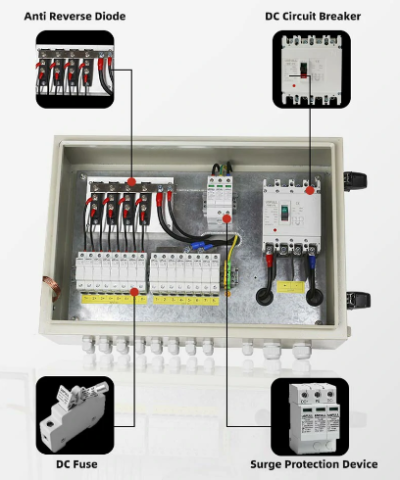
A solar PV combiner box has various components that work together for the secure and reliable performance of a solar power generation system.
PV combiner box components include DC molded case circuit breakers (MCCB) that protect circuits in a solar panel system. They are better for high-power PV (photovoltaic) systems.
It has a PV fuse string, which must be in place for safety. The string prevents reverse current from persisting flow and protects cables from further damage during accidents.
The DC-SPD (DC surge protection device) device protects the system from fluctuating voltages. It redirects surges into the ground, keeping downstream machinery from potential harm.
The combiner box also has a DC circuit breaker or disconnect switch. It shuts down the circuit during short circuits or overloading of voltages.
The busbar and terminal strip work the same. A busbar is a multi-connection point that links multiple wires in one unit. The busbar is made of metal, whereas the terminal strip has an ABS composite construction.
Lastly, the enclosure is a physical box where the system installs the combiner box. It is designed in an IP65-rated and made of PV or ABS material, which is anti-dust, waterproof, and anti-ultraviolet, ensuring the solar power system’s safe and reliable operation.
How to Select a PV Combiner Box?
Is it a tricky task to select the right PV Combiner box? Well no!! All you need to do is to consider a few facts while opting for the correct combiner box. This way, you will secure your system and invest in a valuable product.
Number of Solar Panels You Want?
When selecting a combiner box, consider how many solar panels you’ll install. This will help you choose a box that can handle the right number of panels and their size. Selecting the right solar PV combiner box is necessary to provide the safe and efficient operation of the system.
Wiring Size
You’ll usually need thicker and larger wires for commercial projects than for homes. To prevent electrical problems, ensure the combiner box can handle the voltage and power of your solar panels.
Overcurrent Protection
Consider overcurrent protection and the environment the combiner box will be in. A combiner box with high overcurrent protection and voltage handling capacity for panel installation is useful.
Enclosure Rating
If you’re installing the box in a humid environment, select one with a higher enclosure rating to prevent moisture intrusion. Remember, the right combiner box protects your solar system from damage, so ensure it works well.
Mounting Considerations for a Solar Combiner Box
For convenient maintenance and optimal performance, select an easily accessible location when installing solar combiner boxes. Consider placing solar panels in a north-facing location to reduce direct sunlight, which can cause overheating.
Additionally, place the combiner box in a sheltered location to shield it from inclement weather.
It is necessary to place panels close to the existing solar panels to reduce wiring. This way, you can provide a safe, efficient, and long-lasting solar combiner box that will serve you well for years to come.
OOHMAGE Combiner Box
PV Combiner boxes are very essential for solar PV systems. For the electronic distributors and suppliers, OOHMAGE brings valuable combiner boxes. It’s a whole package of resistance to impact with an IK10 rating, simplified wiring, and durability. It offers overcurrent, surge prevention, and water resistance, making it people’s first installation choice.
Installing an OOHMAGE solar PV combiner box at your residence and for commercial purposes has fireproof features. A dependable and effective solution for solar power systems, they are suitable for a wide range of usage, including residential rooftops, commercial and industrial solar farms, and remote off-grid areas.
If you really want to invest your money in something credible for an electric setup, OOHMAGE Combiner Boxes should be your first choice.
FAQs
What is the difference between a combiner box and a junction box?
While junction boxes lack this feature, combiner boxes safeguard against excessive current.
Does a combiner box increase the voltage?
The combiner box PV system protects and combines the outputs from series-connected photovoltaic arrays.
How do I choose the right PV Combiner Box?
Consider the number of panels, voltage rating, overcurrent protection, and installation environment.
What are the benefits of OOHMAGE Combiner Boxes?
They offer durability, simplified wiring, overcurrent and surge protection, and water/fire resistance.
Why choose OOHMAGE Combiner Boxes?
They are reliable, durable, and suitable for various solar installations.
Only “solarcombiner box” in your quotation is far from sufficient. What should be connected to the box? A PV string or an inverter output? They match different jobs. The price and enclosure size can be considered at a later stage. What connects to the input is the top priority. To be more specific, a DC combiner […]
What is a Solar Combiner Box? In PV systems, a solar combiner box brings selected photovoltaic (PV) string circuits into a defined output arrangement and can house protection, isolation or monitoring equipment. Whether a separate box is needed depends on the inverter inputs and the project design. For buyers, a clear combiner box drawing makes […]
What is a combiner box? In solar power systems, a PV combiner box plays a critical role. It simplifies the connection of multiple solar panel arrays to the inverter. It guarantees efficient power management, safety, and scalability. To choose the right PV combiner box supplier, you should have a basic idea of the product. Follow […]