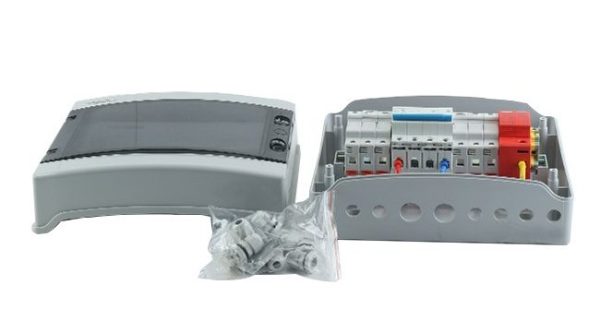
A solar combiner box is like an electrical junction box that combines multiple lines and cables connected to one. For the best possible energy conversion, the electricity is then effectively passed to the inverter. But do you know we need combiner boxes to protect our solar systems?
Installing a solar combiner box may look challenging. But, if you follow the guidelines correctly, this is actually very easy to install. It will make your system run smoothly and will improve its lifespan.
In this article, we will discuss how to install a combiner box, where to place it, whether the wiring is proper, and whether it is securely mounted. Following simple rules, you will find critical steps that will enhance the performance of your solar system. If you want to know more, please read further.
Components in the Combiner Box
A solar combiner box has the following components, which make sure that your solar power system is processing safely and efficiently.
Circuit Breakers (or Fuses)
Breakers and fuses are important parts that can stop the flow of electricity when something goes wrong. They watch how much is moving and disconnect the system if it’s too high. This prevents damage from electrical problems on the wires.
Surge Protection Devices (SPDs)
Lightning issues can cause trouble for solar setups without protection. SPDs are added to take in extra voltages before they can mess things up. These guards help shield delicate parts from possibly failing or getting worse over a long time. Correct installation and choosing the right SPDs protect the solar system and keep it working well.
Terminal Blocks and Wiring
Wiring provides proper energy flow, while terminal blocks connect the solar panel strings to the inverter. High-quality solar combiner box wiring protection is necessary to minimize failure and maintain the system’s efficiency.
DC Disconnect Switches
To shut down the system quickly during maintenance and other emergencies, DC disconnect switches. It allows you to safely isolate the solar system and prevent further faults from occurring.
Pre-Installation Preparations
Before installing a solar combiner box, it is essential to complete proper pre-installation preparations. The following steps will provide you with a smooth and safe setup procedure.
Site Assessment
Choosing a good location for solar combiner box installation is critical. When the location is well-ventilating, it’s more accessible if any inconvenience happens and for future maintenance. It also protects the system from harsh weather conditions.
Safety Precautions
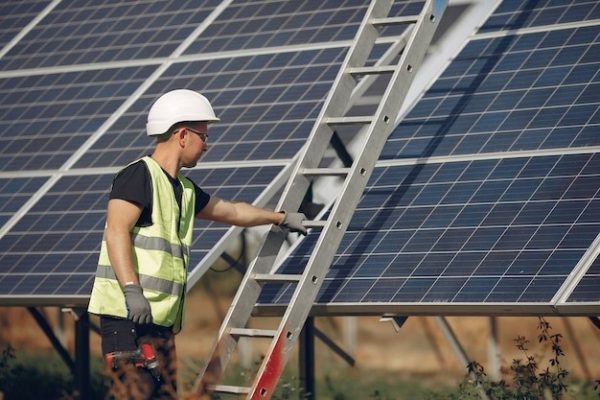
To avoid accidents, ensure the system is fully shut down before installation. Always follow safety precautions and wear protective equipment. Such as safety gloves and safety goggles.
Selecting the Right Solar Combiner Box
Choose the right combiner box that meets your needs. Consider the number of strings and voltage rating to ensure compatibility with your system for optimal performance and safety. Hence, choosing the right combiner box is paramount.
Mounting the Solar Combiner Box
For the safety and better lifespan of the solar combiner box, mounting it in the right condition is crucial. Following these steps will provide secure and efficient solar combiner box installation.
Installation Location
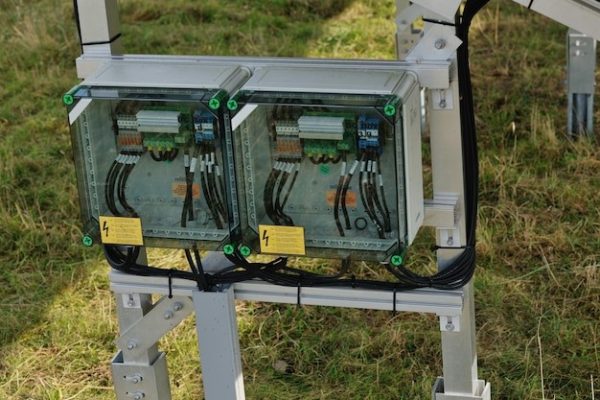
Place the combiner box near the solar system, but ensure direct sunlight is not hitting it. Rain can also damage the combiner box to avoid water contact. Lift the box a bit from the ground and place shelter above it to reduce water damage. Always choose a place that is easily accessible and has sufficient airflow (ventilation).
Mounting Process
Based on the combiner box dimensions, mark the mounting points. Now, ensure alignment is perfect using a level. Securely attach the combiner box to a well-built surface, such as a wall or rack. After setting it, verify the combiner box is firmly attached.
Connecting Solar Strings to the Combiner Box
Connecting solar strings properly to the combiner box is essential for the system to work safely and in the long term. Following these steps will ensure you have a successful installation.
Wiring the Solar Array
Carefully verify identification and polarity (positive and negative) while routing the solar strings to the combiner box. Now connect each string safely to its terminal block and ensure the connection is tight and protected. To minimize voltage breakdown, select appropriate wires.
Installing Breakers or Fuses
Installing DC circuit breakers or DC fuses will protect your solar system from electrical faults. Set each breaker or fuse according to the voltage and current. Installing these devices prevents overload and improves the system’s lifespan.
Connecting the Grounding Wire
Connect the grounding wires to their specific terminal inside the combiner box. This will guarantee safe grounding, protecting the system from electrical faults and other accidents.
Connecting the Output to the Inverter
After wiring the solar strings to the combiner box, connect the output to the inverter. This process guarantees that the energy solar panel generates is efficiently converted into usable electricity.
Connect the output terminal to the combiner box, which is designed to handle the combined power from the solar strings. Use properly rated cables to connect the output of the combiner box to the inverter’s terminal. Size wires that match system current and voltage requirements, preventing power losses and overheating.
Secure all connections and insulate properly to prevent loose connections from leading to system failures. Verify the polarity correctly with inverter input. After connecting, test the system to verify that the inverter is receiving power and functioning smoothly.
Proper output connection optimizes energy flows and system efficiency.
Installing Surge Protection Devices (SPD)
Surge protectors are like little helpers for your solar electric system. They work hard to shield your sensitive equipment from damage caused by power surges. Large voltage spikes from lightning or other issues can really stress out your solar gear. That’s why it’s so smart to install DC surge protection devices (SPDs) in solar systems.
When installing surge protectors, make sure that the system is shut down properly. Verify the SPDs terminal in the combiner box. Connect the surge devices in parallel with the solar strings to absorb excess voltage during a surge effectively.
Next, carefully match the corresponding terminals to positive and negative terminals in the combiner box, make sure the polarity is proper, and secure all connections tightly. Also, the grounding wires, from surge protection devices to the grounding bus bar, must be connected to provide safety.
After installation, power on the system and check that the SPDs are functioning. Regularly examine these devices to ensure the protection works against potential voltage surges.
Testing and Inspection
When the solar combiner box installation is completed, testing and inspection are necessary steps to verify the safe and optimal system performance. Start by checking all connections are tight and proper. Power up the system and use a multimeter to verify the voltage and current at the output terminals.
Watch circuit breakers, fuses, and surge protection devices to see whether they work or not. Check all the other parts are working properly and that there is no fault. So, Regular checkups are important to keep your system safe, work smoothly, and last long.
Final Setup and System Integration
The final setup and system integration are crucial for smooth operations. First, ensure that all the components, including solar string circuit breakers, surge protection devices, and grounding wires, are working well. Connect and align them properly and verify for any loose connection and solar combiner box wiring affecting system performance.
Once everything is settling down, power on the system and monitor the inverter for signs of correct energy conversion. Ensuring the inverter receives the proper voltage and current from the combiner box. Test the system under various load conditions to confirm stability and performance.
After successful testing, integrate the solar power system with the primary electrical grid or battery storage, depending on your setup. It ensures that the solar system delivers consistent and reliable energy, maximizing the benefits of your solar power installation.
Solar Combiner Box Maintenance
Regular maintenance is necessary for keeping your system safe and working for a long time. First, check the combiner box for any sign of broken and corrosion wires. Check all connections and look for loose and frayed wires that can damage and cause any harm.
Inspect the circuit breaker fuses and SPDs to confirm they are functioning correctly. To keep the system from failing, replace any worn or broken parts right away. Also, keep the outside of the combiner box clean to prevent dirt from buildup, which can affect the ventilation and cause overheating.
You should check the grounding connections to ensure the system is appropriately grounded. It reduces the risk of electrical faults or other life-threatening events. Regular maintenance or what the manufacturer suggests will make your solar system work even better.
Final Thoughts
In conclusion, it is clear how essential it is to install a combiner box to ensure the system runs efficiently and safely. From selecting the correct box to installing the wiring regularly, each step is critical to achieving the peak performance of the system. Following the instructions in this article, you can easily install the solar combiner box.
Taking the effort to properly install the combiner box from reliable electric equipment suppliers and conduct routine inspections will not only protect your system. However, they must also provide continuous and predictable energy output. Maintaining a solar system will give you benefits and reliable electricity for years.
FAQs
What is the purpose of a solar combiner box?
Solar combiner boxes combine several solar panel strings into one output, enhancing system efficiency and simplifying inverter connections.
How do I install a solar combiner box?
Install the box in a well-ventilated area, firmly install it, connect the solar strings, and follow wiring and safety regulations.
Why is surge protection important in a solar combiner box?
Surge Protection Devices (SPDs) protect sensitive components from lightning and grid disturbances.
How often should I maintain my solar combiner box?
To maximize performance and safety, maintain annually or as the manufacturer advises.
Can I install a solar combiner box myself, or do I need a professional?
DIY installation is possible, but hiring a professional ensures proper installation, local code compliance, and safety.
Only “solarcombiner box” in your quotation is far from sufficient. What should be connected to the box? A PV string or an inverter output? They match different jobs. The price and enclosure size can be considered at a later stage. What connects to the input is the top priority. To be more specific, a DC combiner […]
Learn how to choose the right distribution box for your home or workshop. Discover sizing rules, component selection, and strict electrical safety standards.
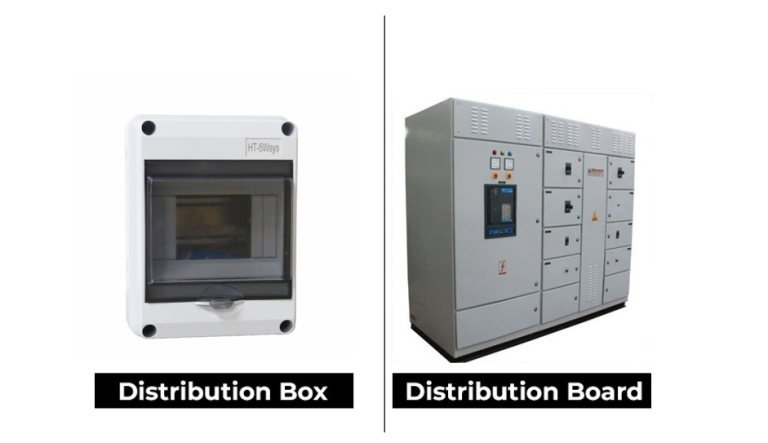
The terms distribution box and distribution board often overlap. Both can describe equipment that receives an incoming electrical supply and organizes outgoing circuits, usually with switching and protective devices. The preferred term depends on the country, applicable standard, project specification and whether the buyer needs an empty enclosure or a complete assembly. This means there […]