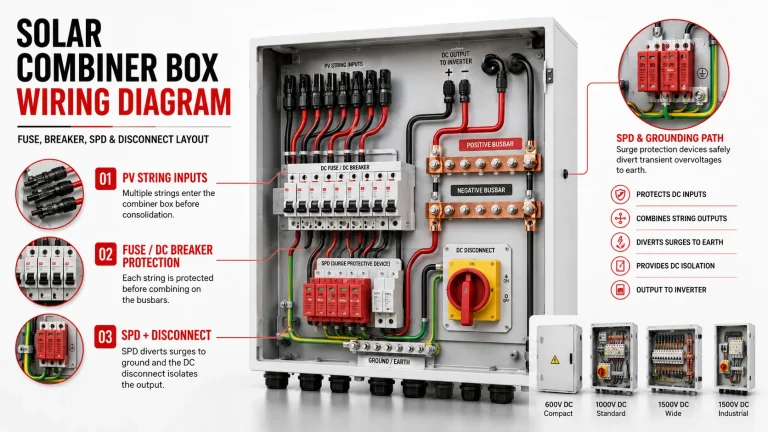
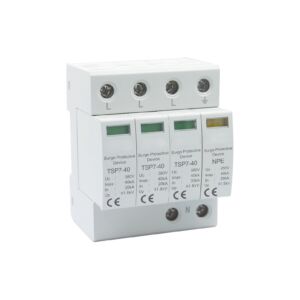
 AC surge protectors are necessary components in modern systems that protect equipment and appliances from voltage infrequencies. The devices become a barrier between an appliance and the flow of electricity. At rough times, the protectors will absorb the excessive current to protect the device from further damage.
The protectors are always ready because they understand many reasons that can cause voltage surges. Common reasons are lightning strikes, power outages, and mishandling of heavy equipment.
 An AC surge protective device successfully protects electronic appliances from voltage instability. The components absorb or divert the not-needed electrical current so the surge does not reach the sensitive areas of the appliance. Your computers, televisions, and refrigerator remain safe from sudden fluctuations. The SPDs reduce the probability of damage and extend the useful operational life.
 You can inspect the SPD for visible signs of wear and tear. Keep an eye out for discoloration, burn marks, or physical damage. Moreover, check if the indicator lights are working or not. Otherwise, the SPD is unable to convey the damage. A faulty light means you must replace the device before it is too late.

3 Phase Surge Protector: 7 Checks Before Buying
Figure 1. Three-phase SPD selection starts with system facts, not the largest kA number. A three-phase surge protector should not be selected by the largest kA number on its label. First confirm the system voltage, whether a neutral is present, the earthing arrangement, the installation point, and the required SPD type. Then compare Uc, Up, […]
Read More