Combiner Box vs. Breaker Box: A Comprehensive Comparison
Published: Author: Conor
Choosing the right electrical equipment supplier and equipment plays a big role in ensuring safety and efficiency in any setup. Whether you’re working on a residential, commercial, or renewable energy project, having the proper components can make all the difference. A combiner box vs breaker box comparison helps highlight their roles in managing and protecting electrical systems. Both are important, but they serve different purposes depending on your system’s needs.
What Is a Combiner Box?
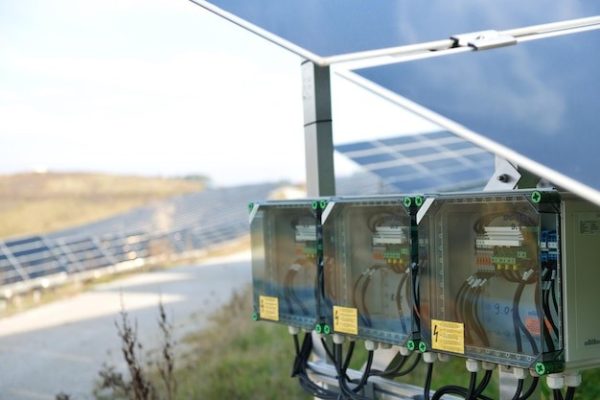
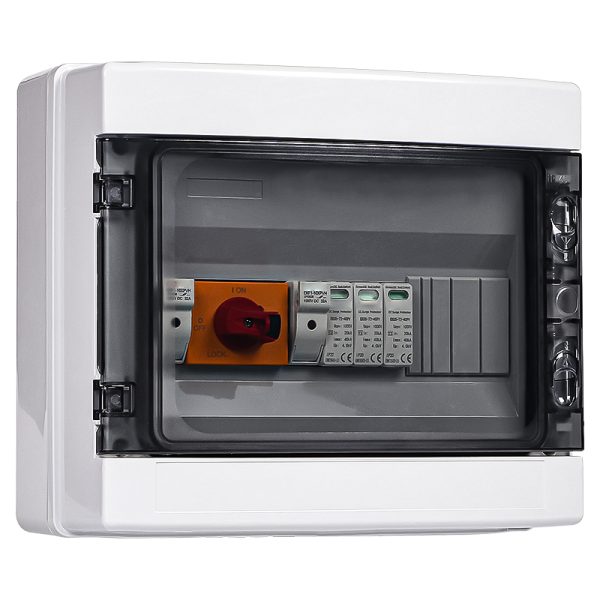
A combiner box is a key component in many electrical systems, especially those using renewable energy. It gathers multiple input sources, like several solar panel arrays, and combines them into a single output.
This simplifies wiring and improves energy management. You’ll often find it in solar power setups, where it helps organize and protect the system for better performance. Comparing a combiner box vs a breaker box reveals how each serves different roles in electrical design.
What Is a Breaker Box?
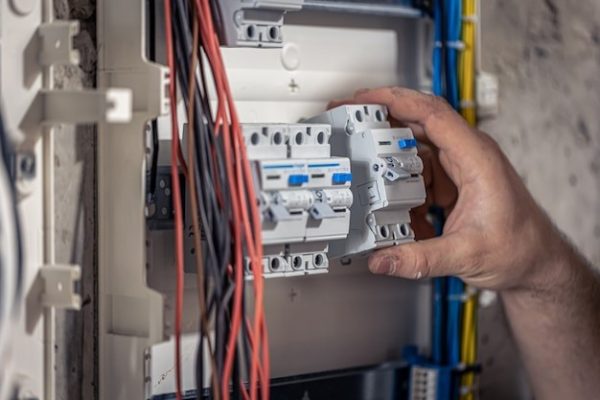
A breaker box is the central hub for distributing electricity throughout a building. It ensures each circuit receives the right amount of power while protecting the system from overloads or short circuits.
Key Components of a Breaker Box:
Main Breaker: Acts as the system’s primary safety switch by shutting off all power during an overload.
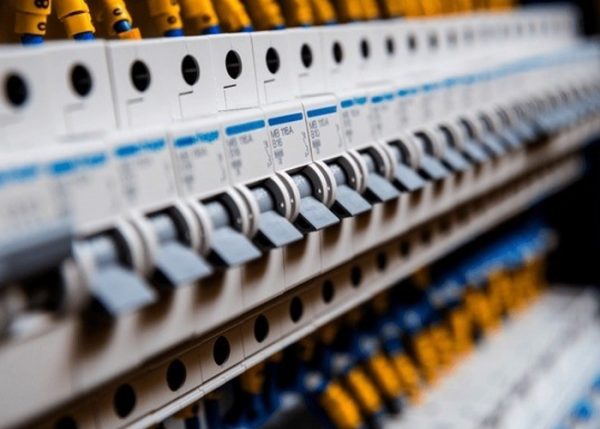
Circuit Breakers: Control and protect individual circuits, ensuring they operate safely.
Neutral Bar and Ground Bar: Provide connections for grounding and neutral wires, improving system stability and safety.
Combiner Boxes vs. Breaker Boxes: Key Differences
Deciding between a combiner box vs breaker box depends on understanding how each one works. Both play important roles, but their functions, designs, and maintenance needs differ. Knowing these differences helps you select the right equipment for your project.
Aspect
Combiner Box
Breaker Box
Functions
Combines multiple power inputs into one output
Distributes power to individual circuits
Design and Configuration
Simplifies wiring for renewable energy systems
Designed for residential or commercial power setups
Installation Requirements
Installed near power sources like solar panels
Installed inside or outside buildings for easy access
Maintenance Needs
Requires occasional inspection of connections
Needs regular checks to ensure breakers function properly
When to Choose a Combiner Box?
A combiner box works best in setups where multiple power inputs need to be managed efficiently. It offers several advantages in specific situations:
Managing multiple solar panel arrays: A combiner box merges the outputs from several solar panels into one, simplifying energy flow and reducing wiring complexity.
Streamlining wiring for renewable energy projects: It organizes the connections, making the system easier to install and maintain.
Enhancing safety and efficiency in systems with multiple inputs: By combining inputs in one location, reduces the chance of wiring errors and improves overall system performance.
For renewable energy systems, the combiner box vs breaker box decision often depends on the need for input consolidation versus circuit protection.
When to Choose a Breaker Box?
A breaker box, such as a DC circuit breaker, is the better choice for many standard electrical setups. It provides reliable power distribution and safety features that suit a variety of needs:
Standard residential or commercial power distribution: Breaker boxes distribute electricity to different circuits, making them ideal for homes and businesses.
Overload and short-circuit protection for entire electrical systems: They help prevent damage by shutting off power during faults or overloads.
Systems requiring easy access for maintenance and repairs: Located in accessible areas, breaker boxes allow quick adjustments or inspections when needed.
The combiner box vs breaker box decision often comes down to whether you need circuit-level protection or input consolidation.
Combiner Box vs. Breaker Box: Selection Tips
Choosing between a combiner box vs breaker box depends on your specific electrical system and requirements. Several factors can guide your decision:
Type of Electrical System: Combiner boxes are ideal for renewable energy setups like solar power, while breaker boxes suit traditional systems in homes and businesses.
Load Capacity Requirements: Consider how much energy the system will handle and ensure the box can support the demand.
Long-Term Maintenance: Breaker boxes offer easy access for routine inspections, while combiner boxes might need extra care in outdoor installations.
Cost Factors: Evaluate the upfront cost and how each option impacts long-term efficiency and performance.
Carefully weighing these factors ensures the system meets your needs without unnecessary complications.
Final Thoughts
Overall, it comes down to understanding their roles and how they fit your system’s needs.
Combiner boxes are best for renewable energy projects that involve managing multiple inputs, such as solar panel arrays.
Breaker boxes are better for traditional power distribution, offering circuit-level protection in homes and businesses.
Evaluate factors like system type, energy demand, maintenance requirements, and costs before making a decision. Selecting the right box ensures safety, efficiency, and long-term reliability for your setup.
Partnering with a Reliable Electrical Equipment Supplier
Selecting high-quality electrical equipment is important for system performance and safety. A trusted supplier ensures access to reliable products that meet diverse needs.
OOHMAGE has been a reliable partner in the field of electrical solutions. Starting with low-voltage electrical equipment, the company later expanded to DC solar products.
Why Choose OOHMAGE?
Comprehensive Services: Offers OEM and ODM services tailored to unique requirements.
Focus on Quality: A dedicated quality control team ensures every product meets high standards.
Global Reach: Trusted by customers in over 120 countries, with a 90% satisfaction rate.
At OOHMAGE, electricity is more than a business—it’s a commitment to helping customers manage power safely, efficiently, and sustainably. Whether you need solutions for renewable energy or traditional setups, OOHMAGE is here to support your project from start to finish.
Contact OOHMAGE for expert advice and products that fit your needs, whether you’re comparing a combiner box vs breaker box or designing a complete system.
FAQ
What is the difference between a combiner box and a breaker box?
A combiner box consolidates multiple power inputs, such as from solar panels, into one output, making it ideal for renewable energy systems.
A breaker box, on the other hand, distributes power to various circuits in residential or commercial electrical systems, offering protection from overloads and short circuits.
Can a breaker box be used in renewable energy systems?
While a breaker box can be used in renewable energy systems, it is not designed to combine multiple inputs like a combiner box. It is better suited for power distribution and protection within a system, such as in homes or businesses.
How do I know whether to choose a combiner box or a breaker box?
Consider your system’s needs: A combiner box is ideal for solar power setups and other renewable energy systems where multiple power sources are combined.
A breaker box is best for traditional systems that require circuit-level protection and power distribution, such as in residential or commercial buildings.
Only “solarcombiner box” in your quotation is far from sufficient. What should be connected to the box? A PV string or an inverter output? They match different jobs. The price and enclosure size can be considered at a later stage. What connects to the input is the top priority. To be more specific, a DC combiner […]
Learn how to choose the right distribution box for your home or workshop. Discover sizing rules, component selection, and strict electrical safety standards.
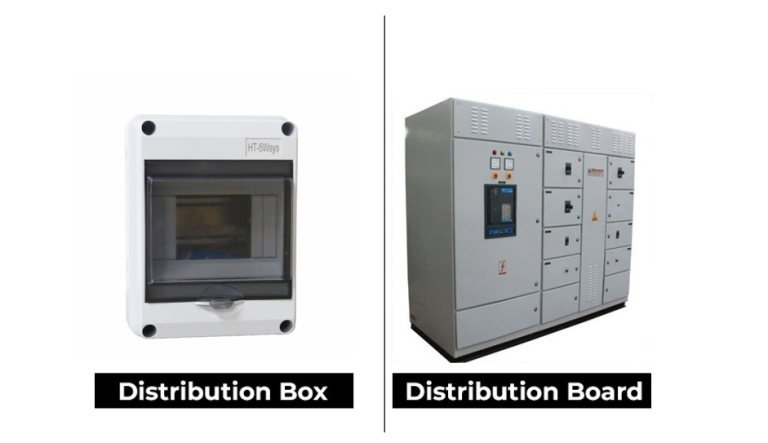
The terms distribution box and distribution board often overlap. Both can describe equipment that receives an incoming electrical supply and organizes outgoing circuits, usually with switching and protective devices. The preferred term depends on the country, applicable standard, project specification and whether the buyer needs an empty enclosure or a complete assembly. This means there […]