< img height="1" width="1" src="https://www.facebook.com/tr?id=1523171142290993&ev=PageView&noscript=1"/>
Power surges can strike without warning and pose a massive threat to your electronic gadgets as well as systems. No one can predict when a flash will happen, whether it is a lightning strike, the light suddenly goes off, or even a fluctuation in the electrical grid. All of these produce these sudden voltage spikes that can be detrimental. That’s where Surge Protection Devices (SPDs) come in. SPDs are supposed to shield your electrical gear against such sudden voltage surges. They are essential in keeping your devices safe and extending their lifespan. In this article, we will overview what you ought to know about a surge protection device. So, if you need to know where to start, keep reading to learn how SPDs can make all the difference.

What is a Surge Protective Device?

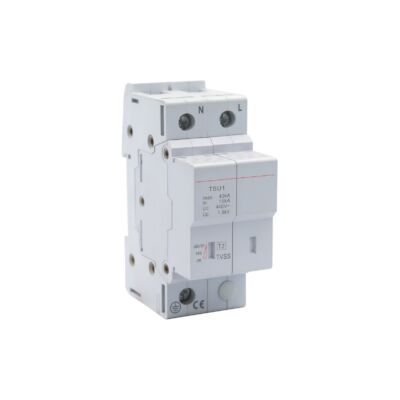
A Surge Protective Device (SPD) is your initial safeguard against sudden and disruptive spike in electrical currents. Such transients may result from causes like lightning, variations in power supply, or turning on/tripping off large electrical loads. When there is no surge protection, these sudden voltage peaks can degrade, damage, or even destroy crucial electronics. It will also reduce the equipment’s lifespan or bring an entire system to its knees. They are a basic necessity for the protection of the various gadgets in our homes and the industry. It distributes the current and allows systems to continue running without fear of blackout. SPD

Types of Surge Protection Devices

There are three categories of Surge Protective Devices in the market. Opt for the one that fits your needs. Type 1 SPD: Its placement location is the point of electrical entry to a building, like the main distribution box. They protect the system from external rise in voltage, such as lightning strikes. Type 2 SPD: Its placement area is sub-distribution boards to shield against surges found in the building, residential/commercial. Type 3 SPD: The perfect placement for type 3 is near the protected load or individual appliances. It works only in addition to Type 2 SPDs. Upon the installation of multiple SPDs, ensure they synchronize in proper coordination.

How Do Surge Protection Devices Work?

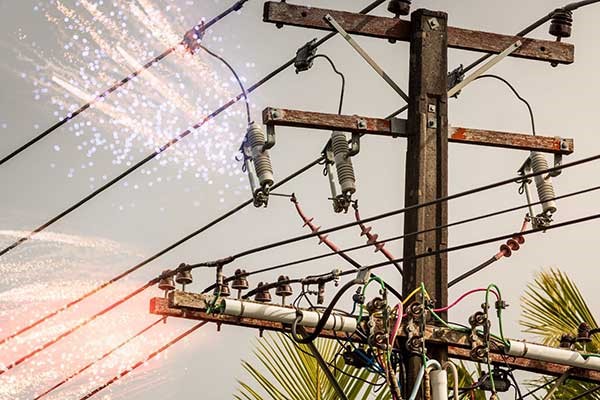
Surge Protection Devices (SPDs) provide the ultimate protection to electrical systems and devices. When a surge, like lightning or power outages, causes the voltage in an electrical system to spike, the SPD steps in. SPD detects the surge and immediately directs the excess voltage away from your devices and safely toward the ground. In this way, the surge doesn’t reach and damage your equipment. SPDs typically use two main components to handle this process: Metal Oxide Varistors (MOVs) and Gas Discharge Arrestors (GDAs). Once the SPD handles the surge and the voltage levels return to normal, the SPD resets. It then goes back to the monitoring phase of electrical flow, ready to handle future surges.

When to Use Surge Protection Devices?

SPDs work as shield providers to electrical systems. Therefore, every area needs its installation to protect the systems from voltage surges.

Residential Settings

SPDs safeguard home electronics from high voltages resulting from lightning or instability in power companies. In severe weather conditions, SPDs in connection with the electrical panel serve the electrical circuit of the whole house. Surge protection devices for residential settings

Commercial Buildings

Businesses such as offices and data centers require computers, servers, and checking machines. They assist in avoiding downtimes, data loss, and equipment damage in the case of power surges.

Industrial Environments

Factories have heavy machinery, which creates some power fluctuations during the work. SPDs safeguard control panels and circuits, safety circuits, and telecommunication equipment so they can run at all times. For this reason, SPDs are important and provide safety and reliability in the industrial, commercial, and residential categories.

How Do I Know if I Need Surge Protection Devices

Knowing if you need a surge protection device depends on several factors. Here’s how you can assess your need for SPDs.
  1. Location: If you reside in an area prone to thunderstorms, lightning strikes, or a fluctuating power supply. You will have a high chance of experiencing contracting power surges.
  2. Sensitive or High-Value Electronics: If you own sensitive electronics, including computers, home cinema, or medical equipment. Even data centers will need SPDs to avoid surges and longer lifespans of devices.
  3. Frequent Power Fluctuations: If you notice frequent flickering light power interruptions, then you will need SPDs.
  4. Building or Industry Requirements: All buildings or industries require surge protection for their electrical systems. It includes fire alarms, emergency lighting, or life-safety equipment.

Surge Protection Devices Safety and Manufacturing Standards

Among the standards that help assess SPDs include the following: The basis of the surge protection device can be seen in the EC 61643 standard. It includes principles and technical requirements at the international level. These criteria examine and analyze the performance, quality, and safety of all SPDs. IEE C62.45 is another standard that offers the testing principles and procedures for SPDS. Through this, one can gauge the performance of Surge protective devices employed in low-voltage AC power circuits. For manufacturing standards, NEMA LS1 gives the manufacturing guidelines for the SPDs. The standard includes the specifications for low-voltage AC power applications. A safety standard, UL1449, offers guidelines for SPD installation on low-voltage AC circuits. When you use SPDs that meet these standards, you minimize many issues. It reduces the chances of electrical damage, avoids expensive downtime, and guarantees the optimum performance of the electrical system.

Benefits of Surge Protection Devices

Surge Protection Devices (SPDs) offer several key benefits. All contribute to the safety and longevity of electrical systems:
  1. Protection against Voltage Surges: SPDs prevent voltage spikes that may result from switching activities, lightning strikes, or power outages.
  2. Improving Equipment Lifespan: SPDs protect sensitive electronics like computers, HVAC systems, and industrial machinery against electrical surges, extending their lifespan.
  3. Minimizes Downtime: SPDs minimize electrical system failures, assuring continuous operations and minimizing costs in businesses requiring reliability.
  4. Cost Savings: Investing in SPDs can save money by preventing costly repairs and surge-related maintenance.
  5. Enhanced Safety: SPDs contribute to overall electrical safety by reducing the risk of electrical fires, short circuits, and other hazards caused by high-voltage surges.
  6. Compliance with Standards: Using SPDs in compliance with international standards, like IEC 61643, ensures the protection systems are reliable and meet safety regulations.
By incorporating SPDs, businesses and homeowners can protect their electrical systems and maintain smooth and uninterrupted operations. Voltage spikes

How to Select the Right Surge Protection Device

A well-chosen SPD not only protects your devices but also extends their lifespan too. To make the right choice, follow these steps:

Joule Rating

Choose a high joule rating for more protection necessary for saving equipment and other devices.

Current Capacity

Ensure that the SPD will accommodate industrial appliances as they need more capacity than residential ones.

Number of Outlets

Try not to overload the number of outlets with the devices you want to safeguard in your home.

Cord Length

Choose the cord length that at least reaches the wall from your application.

Specific Needs

Select the appropriate SPD depending on the intended application, whether for residential, commercial, or industrial. By following these steps, you’ll find an SPD that will offer the protection that you need.

Maintenance and Lifespan of Surge Protection Devices

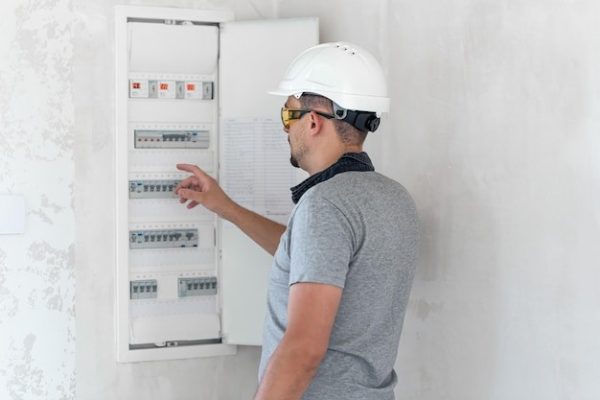
Maintenance of surge protection devices is essential. SPDs require routine checks to confirm they are functioning properly. Visual Inspections: Look at the SPD components in terms of signs of wear and tear or burn marks. They will point towards a fault or a significant surge. Status Indicators: Make sure the lights indicate the device is working correctly. If not, replace or fix the SPDs. Monitoring Response Time: SPDs can suffer from an increase in response time. Periodically test the device to verify its response to fluctuations. Check Connections: Make sure all connections are tight to avoid failure due to corrosion and environmental conditions. The average lifespan of an SPD depends on the frequency of the usage of the device and the magnitude of power surges. The lifespan of an SPD is about 3- 5 years, even though you can replace it depending on the surges it is prone to. It is always better to replace SPD with a new one when the surge event is shocking. Maintenance of the SPDs and replacement at the right time increases the lifespan and security offered by SPDs in protecting your devices. A man is inspecting surge protection devices

Final Thoughts

The right Surge Protection Device and reliable electric equipment suppliers can prevent you from buying equipment for repairs or suffering from untimely equipment downtime. One must select the type of spill protection that is most appropriate to meet their requirements and apply appropriate frequencies for maintenance and replacement. Thus, bearing in mind the guidelines and standards mentioned above, you will keep your electrical systems safe and efficient. Don’t wait for a surge to happen—take responsibility and simply install the correct SPD today to protect all your investments and ensure lasting smooth operation!

FAQs

1. Do I need a Surge Protection Device (SPD)?

Yes, if you have valuable electronics or live in an area prone to storms or power fluctuations, an SPD is essential to protect your devices from voltage spikes.

2. What does a Surge Protection Device do?

A Surge Protection Device diverts excess voltage during power surges, protecting your electrical devices from damage.

3. Are there different types of Surge Protection Devices?

Yes, SPDs are categorized into Type 1, Type 2, and Type 3 based on where they are installed and the level of protection they offer.

4. How long does a Surge Protection Device last?

Typically, SPDs last 3 to 5 years, but you should replace them after a major surge or if the indicator light shows it’s no longer functioning.

5. Can an SPD prevent damage from lightning?

Yes, but only partially. While SPDs reduce damage from lightning-induced surges, no device can fully protect against a direct strike.

Related Product Categories

Previous Post

Why and When Need the DC Circuit Breakers

Next Post

Circuit Breaker for Solar Systems: Types, Applications, and More

Related Posts

3 Phase Surge Protector: 7 Checks Before Buying

3 Phase Surge Protector: 7 Checks Before Buying

Figure 1. Three-phase SPD selection starts with system facts, not the largest kA number. A three-phase surge protector should not be selected by the largest kA number on its label. First confirm the system voltage, whether a neutral is present, the earthing arrangement, the installation point, and the required SPD type. Then compare Uc, Up, […]
Read More
Solar Combiner Box Wiring Diagram: Fuses, Breakers, SPD & Disconnect Layout

Solar Combiner Box Wiring Diagram: Fuses, Breakers, SPD & Disconnect Layout

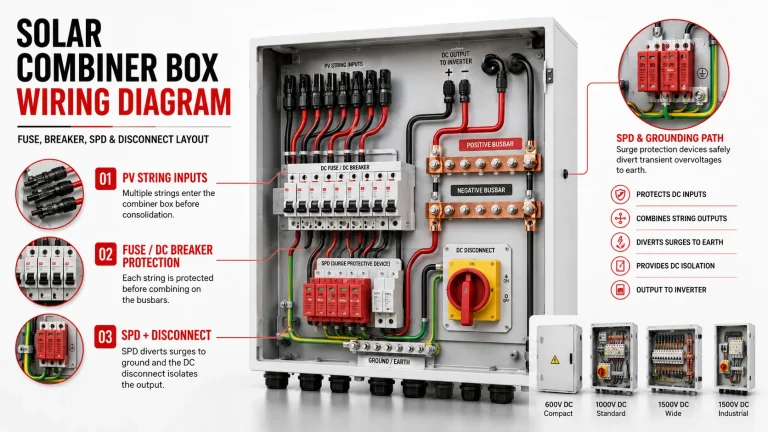
Introduction The wiring diagram of the solar energy combiner box shows how multiple photovoltaic strings enter the combiner box, pass through the string protection device, connect to the positive and negative busbars, ground the surge protection device, and connect to the inverter through the DC circuit breaker. In other words, this diagram not only indicates […]
Read More
Voltage Protector vs. Surge Protector: Key Differences and Applications

Voltage Protector vs. Surge Protector: Key Differences and Applications

Sudden power problems do not damage electrical equipment in the same way. Some failures come from long-term voltage instability, while others happen in a split second due to high-energy surges. That’s exactly why a voltage protector and a surge protector serve different purposes—and why using the wrong one can still leave your equipment exposed. In […]
Read More
+86-18757092555 Phone info@oohmage.com E-mail Chat on WhatsApp WhatsApp