Protecting your electrical system starts with the right electrical protection devices. Choosing between an MCCB and an RCBO can make a big difference in safety and efficiency.
An MCCB is designed for handling larger currents and safeguarding against overloads and short circuits. Meanwhile, an RCBO combines current imbalance detection and overload protection in one compact unit.
Both devices play an important role in electrical safety. They not only protect appliances but also reduce the risk of fire and electrical shock. Understanding the differences of MCCB vs. RCBO helps ensure your system is both safe and reliable.
What is an MCCB?
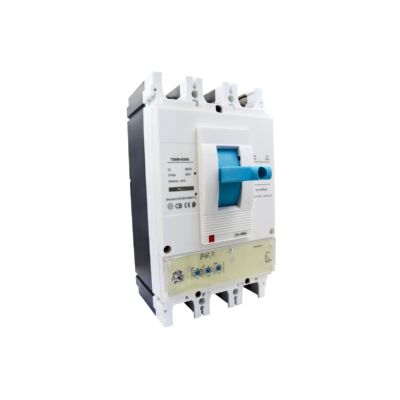
An MCCB (Molded Case Circuit Breaker) is a device designed to protect electrical systems from damage caused by overloads, short circuits, and other faults. It interrupts the flow of electricity when abnormal conditions are detected, preventing accidents and equipment failure.
Key features of an MCCB include:
Adjustable trip settings to fine-tune its response to electrical faults.
High current capacity, making it suitable for industrial and commercial setups.
Robust design for reliable performance in demanding environments.
MCCBs are commonly used in:
Factories and large commercial buildings.
Distribution panels for medium-to-high voltage systems.
Backup power systems where precise control and high durability are needed.
What is an RCBO?
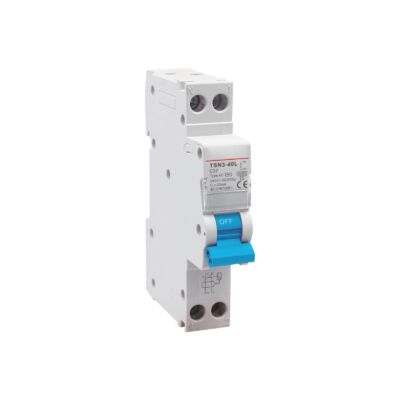
An RCBO (Residual Current Circuit Breaker with Overcurrent Protection) is a safety device designed to protect electrical systems and individuals. It performs two main functions: detecting current imbalances that could lead to electric shock and preventing overloads that can damage equipment.
RCBOs are equipped with:
Residual current detection to identify leaks in the electrical system.
Overload protection mechanisms to stop excessive current flow.
Trip systems that automatically cut off the power during faults.
RCBOs offer several benefits, including:
Improved safety for homes and small businesses by reducing risks of shock and fire.
Easy installation, which saves time for electricians.
A compact design that works well in tight spaces.
MCCB vs. RCBO: Key Differences
Understanding the differences between an MCCB and an RCBO helps in selecting the right device. The table below compares their features:
Feature
MCCB
RCBO
Functions
Protects against overloads and short circuits
Combines overload and current leakage protection
Size and Design
Larger and bulkier
Compact and space-saving
Protection Types
Overload and short-circuit
Overload, short-circuit, and residual current
Sensitivity
Less sensitive to current leaks
Highly sensitive to current imbalances
Installation
Common in industrial systems
Ideal for residential and small-scale setups
Comparing RCBO vs. MCCB in this way shows their distinct strengths and helps match them to specific needs.
When to Choose an MCCB?
An MCCB works best in environments that demand high current ratings and dependable protection. It is the preferred choice for:
Industrial setups where machines and equipment draw significant power.
Large commercial buildings that require precise current management.
Harsh environments where durability and reliability are a priority.
MCCBs are designed to handle short circuits and overloads efficiently. Their adjustable trip settings allow customization to match specific system requirements. This makes them suitable for distribution panels, backup power systems, and facilities with fluctuating power needs. MCCBs offer unmatched performance for managing heavy-duty electrical systems.
When to Choose an RCBO?
An RCBO is a smart choice for setups prioritizing individual safety and compact design. It works best in:
Residential installations, where protecting occupants from electric shock is important.
Small-scale commercial spaces, such as offices or shops, need reliable overload and leakage protection.
Tight setups, where space-saving devices are preferred for efficient panel design.
RCBOs combine safety and convenience by offering dual protection against current imbalances and overloads. Their compact size makes them easy to install, even in limited spaces. RCBOs excel in environments requiring both space efficiency and enhanced personal protection.
Purchasing Tips for Buyers
For Individuals
Choosing between an MCCB and an RCBO depends on the specific requirements of your electrical system. For individual buyers:
Use an RCBO for home safety or small office setups that need protection from electric shocks and overloads.
Opt for an MCCB if your system involves higher current ratings or larger-scale equipment.
Check the available space in your panel to ensure the device fits properly.
For Bulk Buyers
Contractors and wholesalers should prioritize quality and compliance when purchasing in bulk. Consider these tips:
Assess the range of products to find options suited for diverse projects, such as MCCBs for industrial use and RCBOs for smaller applications.
Verify supplier credentials to ensure consistent quality and timely delivery.
Understanding the unique benefits of each device ensures smarter purchasing decisions tailored to the project’s needs.
Final Thoughts
Selecting the right circuit protection device requires understanding the unique features and applications of MCCBs and RCBOs. Each option offers specific benefits, making them suitable for different electrical systems.
MCCBs are ideal for heavy-duty setups, while RCBOs provide added safety in residential or compact installations. Matching the device to your needs improves safety, boosts efficiency, and enhances reliability in the long run.
In the discussion of MCCB vs RCBO, taking time to evaluate your system’s requirements ensures a well-informed decision.
Partnering with the Reliable Electric Safety Equipment Manufacturer OOHMAGE
Choosing the right protection device—whether it’s an MCCB or an RCBO—is essential for electrical safety and efficiency. The MCCB vs RCBO differences guide your decision based on the system’s needs. Selecting the right device ensures better safety, reliability, and performance.
OOHMAGE, established in 2005, is a trusted supplier of high-quality electrical protection devices. Their expertise spans low-voltage and DC solar products, backed by a network that covers manufacturing, R&D, quality inspection, and global trading.
Key benefits of partnering with OOHMAGE:
Reliable products: Ensures high-quality and long-lasting devices.
International standards: Products comply with global safety standards.
OOHMAGE’s focus on OEM and ODM services, along with strict quality control, ensures timely and cost-effective solutions for your electrical needs.
FAQ
What is the main difference between an MCCB and an RCBO?
The main difference lies in their functions. An MCCB (Molded Case Circuit Breaker) primarily protects against overloads and short circuits in industrial or large commercial setups, while an RCBO (Residual Current Circuit Breaker with Overload Protection) combines protection against electrical shock and overloads, making it ideal for residential and small-scale commercial use.
Can an RCBO be used in place of an MCCB?
No, they serve different purposes. An RCBO is best for applications where protection from electric shocks is a priority, such as in homes or small offices. An MCCB is more suitable for high-current industrial or commercial applications, providing robust protection against short circuits and overloads.
How do I choose between an MCCB and an RCBO?
Consider the application and protection needed. For high-current industrial or commercial use, go for an MCCB. For smaller setups, like homes or offices, an RCBO offers the necessary protection from both overloads and electric shocks.
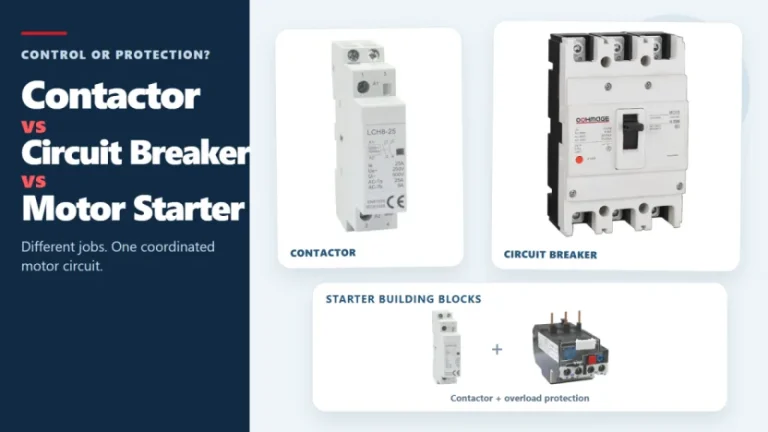
Figure 1. Contactors, circuit breakers, and motor starters solve different control and protection tasks. These three devices often appear in the same motor-control panel, but they solve different problems. A contactor handles frequent, remote, or automatic switching during normal operation. A circuit breaker interrupts abnormal current within its rated capability. A motor starter normally combines […]
Introduction The concept of remote tripping is simple, but in actual operation, project teams often encounter difficulties in specifying the components. The panel factory may require circuit breakers triggered by fire alarm relays, PLC outputs, building management system instructions, or other coordinated control. At this point, “diversion tripping” is only the first step in the […]
The main types of circuit breakers used in low-voltage distribution include miniature circuit breakers (MCBs), molded case circuit breakers (MCCBs) and residual-current devices such as RCCBs and RCBOs. They are not interchangeable. MCBs and MCCBs are selected for overcurrent protection in different circuit roles, an RCCB provides residual-current protection without integral overcurrent protection, and an […]