As harmful as it is, wiring issues can also be a big reason for DC power surges. These damaged or exposed electric wires are sometimes very difficult to spot as they are hidden behind the walls.
Pay close attention to burn marks, the burning smell of wires, the buzzing sound from behind the walls, and the
 Power surges do not only happen in the absence of power. Sometimes, the voltage also fluctuates during the power restoration after the electrical outage or blackout. Sudden power restoration after the outage causes a quick jump in current. Therefore, appliances without DC surge protectors get shocked and damage their electric system.
 Within the building, there are separate junction boxes or sub-distribution panels. In those panels, the Type 2 DC surge protection devices get complete installation. It works as the second line of defense and protects the appliances from overvoltages.
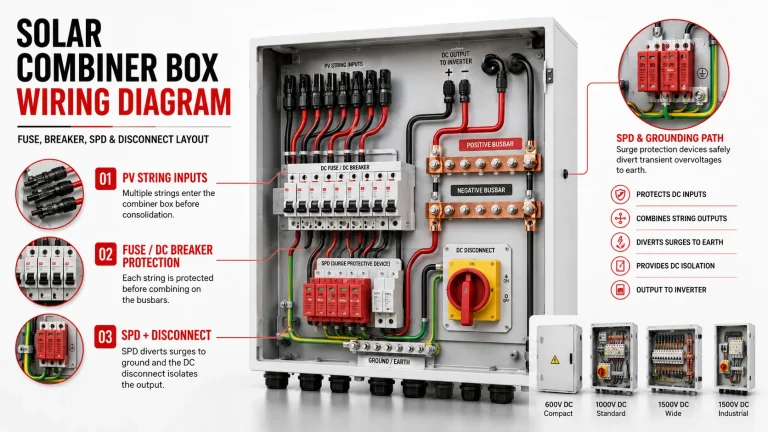
 Those who use solar panels for electricity also face transient spikes. However, Solar DC surge protector devices will save the solar panels and the equipment from such solar surges. The shunt protects the system from harm by excessing voltage to the ground.
 These surge protectors aren’t just limited to protecting home appliances but can also safeguard your electric vehicle from getting unnecessarily damaged from a voltage as they preserve the charging system from the battery pack.
Sometimes, while charging or driving, there are sudden voltage spikes that can cause expensive damage or reduce the battery life, but the DC surge protector devices take care of the reliability and performance of your electronic vehicles.

3 Phase Surge Protector: 7 Checks Before Buying
Figure 1. Three-phase SPD selection starts with system facts, not the largest kA number. A three-phase surge protector should not be selected by the largest kA number on its label. First confirm the system voltage, whether a neutral is present, the earthing arrangement, the installation point, and the required SPD type. Then compare Uc, Up, […]
Read More